Instinctive Behavior

Mouse Looming Innate Fear System

Visual Stimulus · Defense Assessment

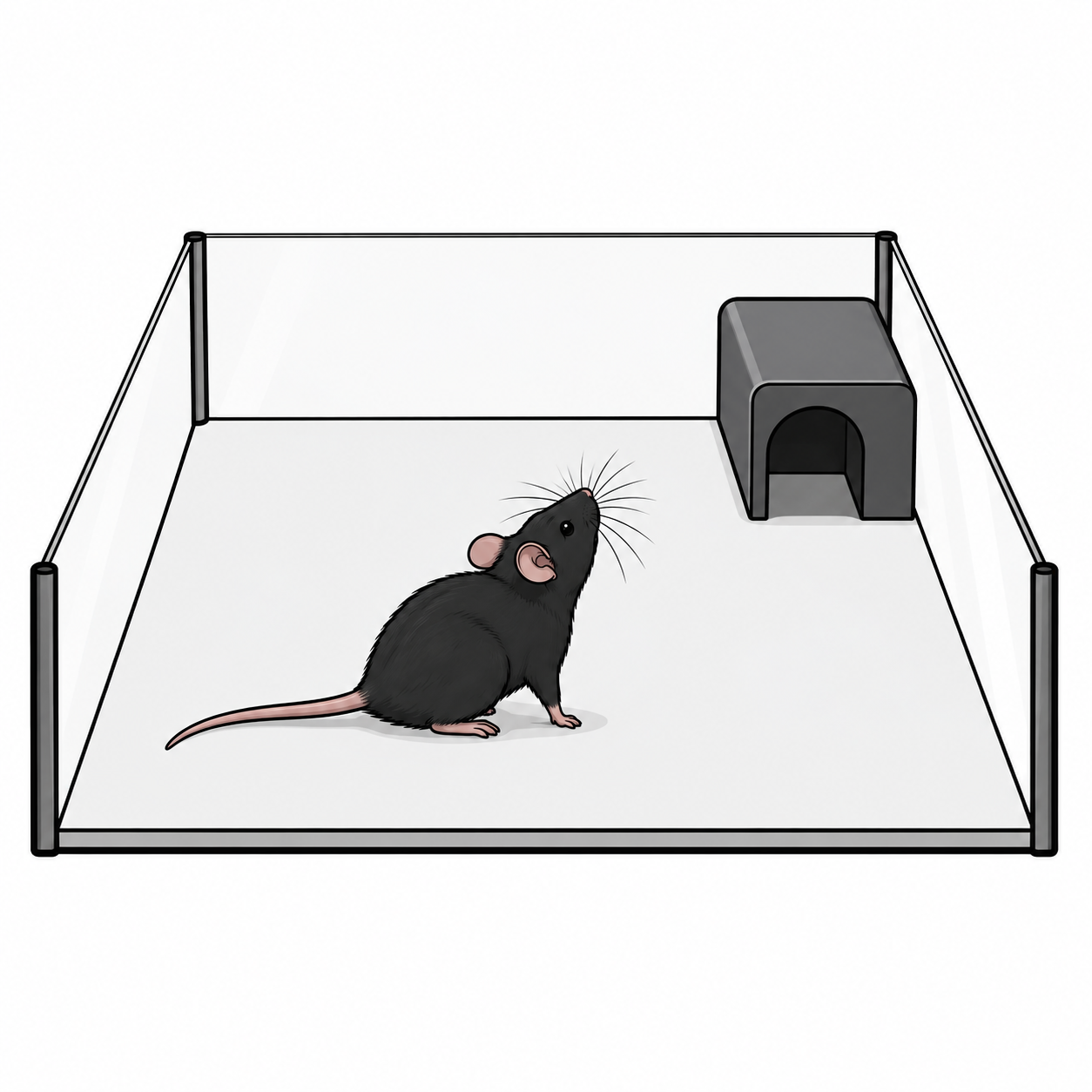
Designed specifically for innate fear responses in mice — precise detection and quantification of escape, freezing, and other innate fear behaviors under looming visual stimulation. Automatically analyzes freezing, locomotion speed, trajectories, and more — supporting research on neural circuits of innate fear, sensory information processing, and defensive decision-making. Important value in behavioral phenotyping for anxiety disorder and PTSD models.

Looming

Visual stimulus

AI

Behavior ID

Freeze

Freeze quant

Innate Fear Stimulating
LOOMINGESCAPEFREEZESPEEDTRACK

Features

Looming paradigm at the core — converting innate defensive responses into reproducible, quantifiable behavioral readouts.

01

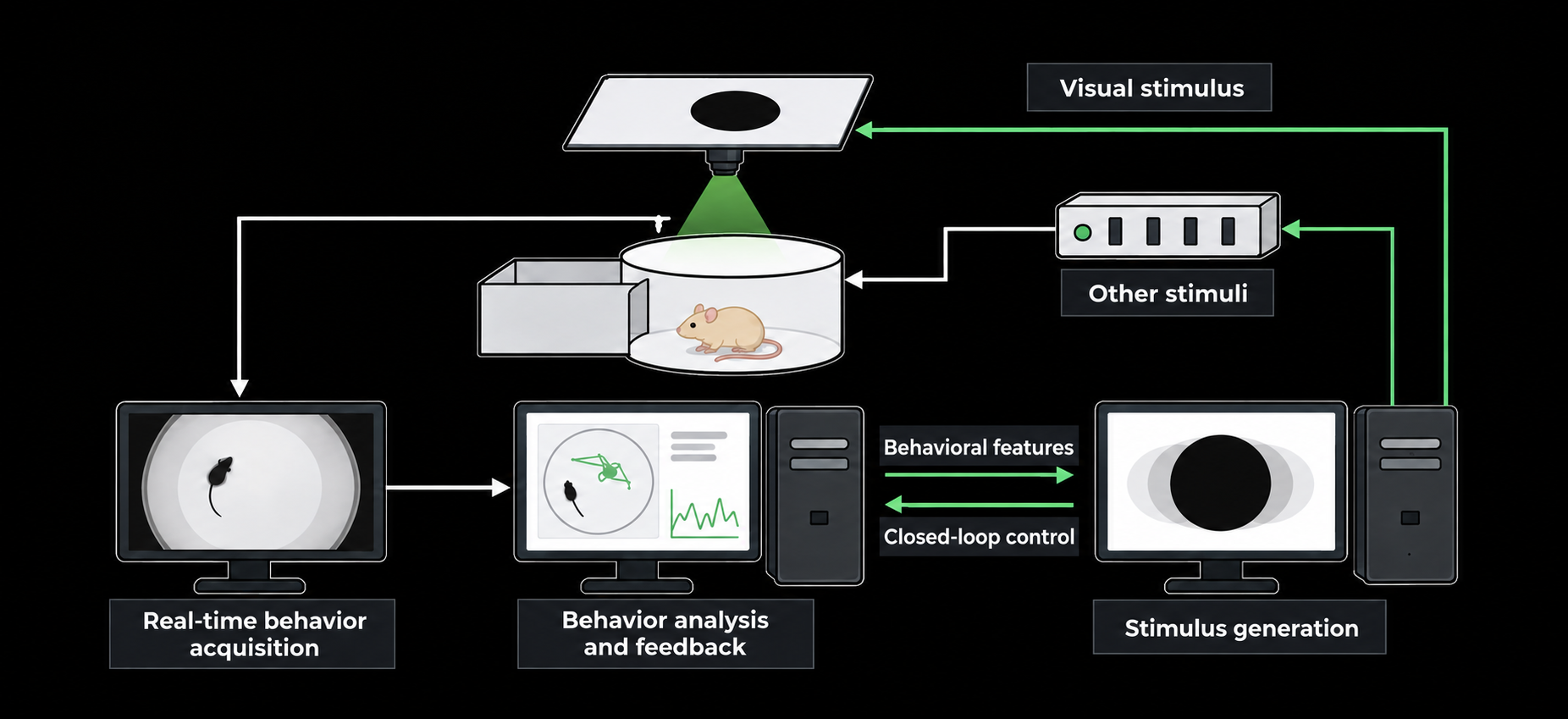
Looming visual stimulation

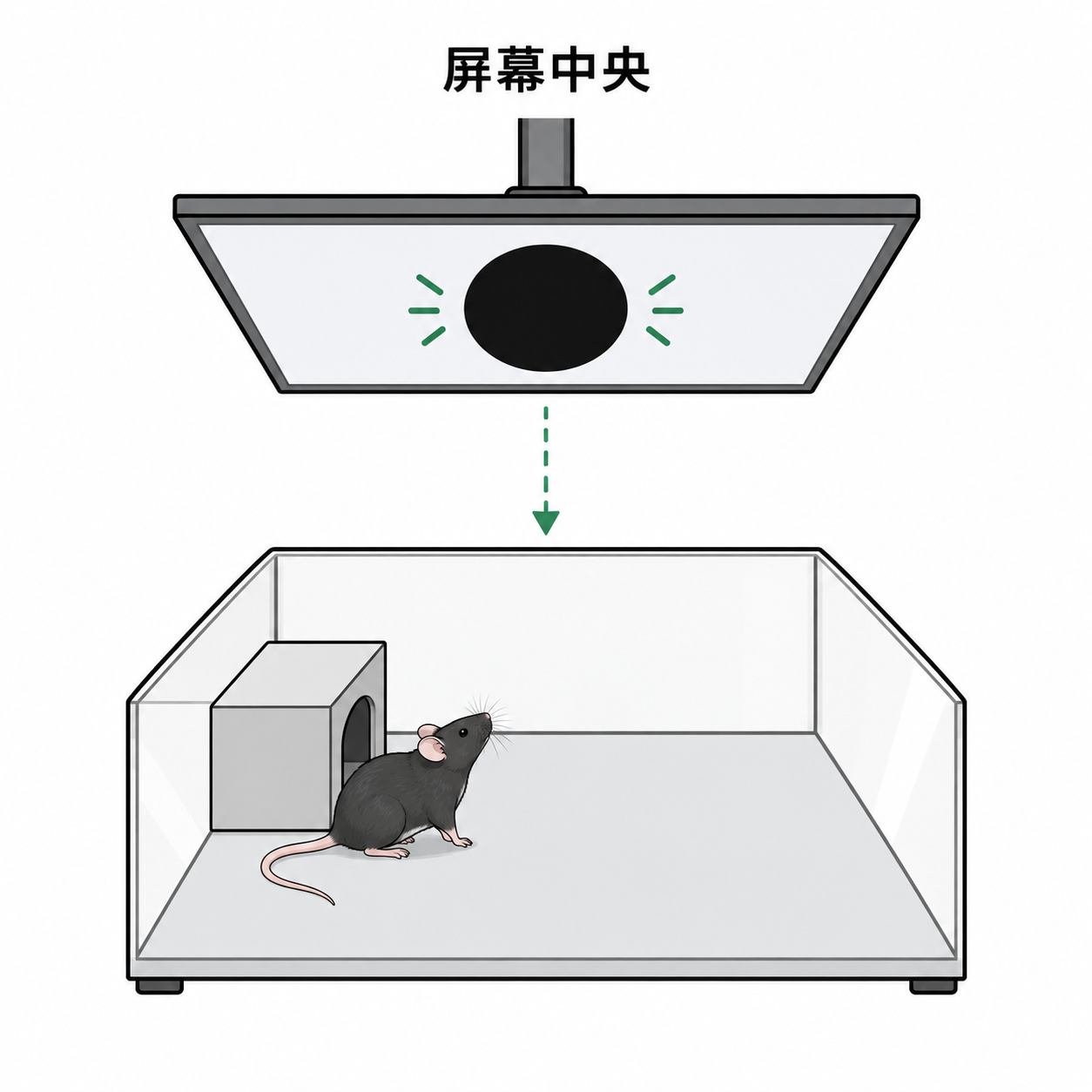
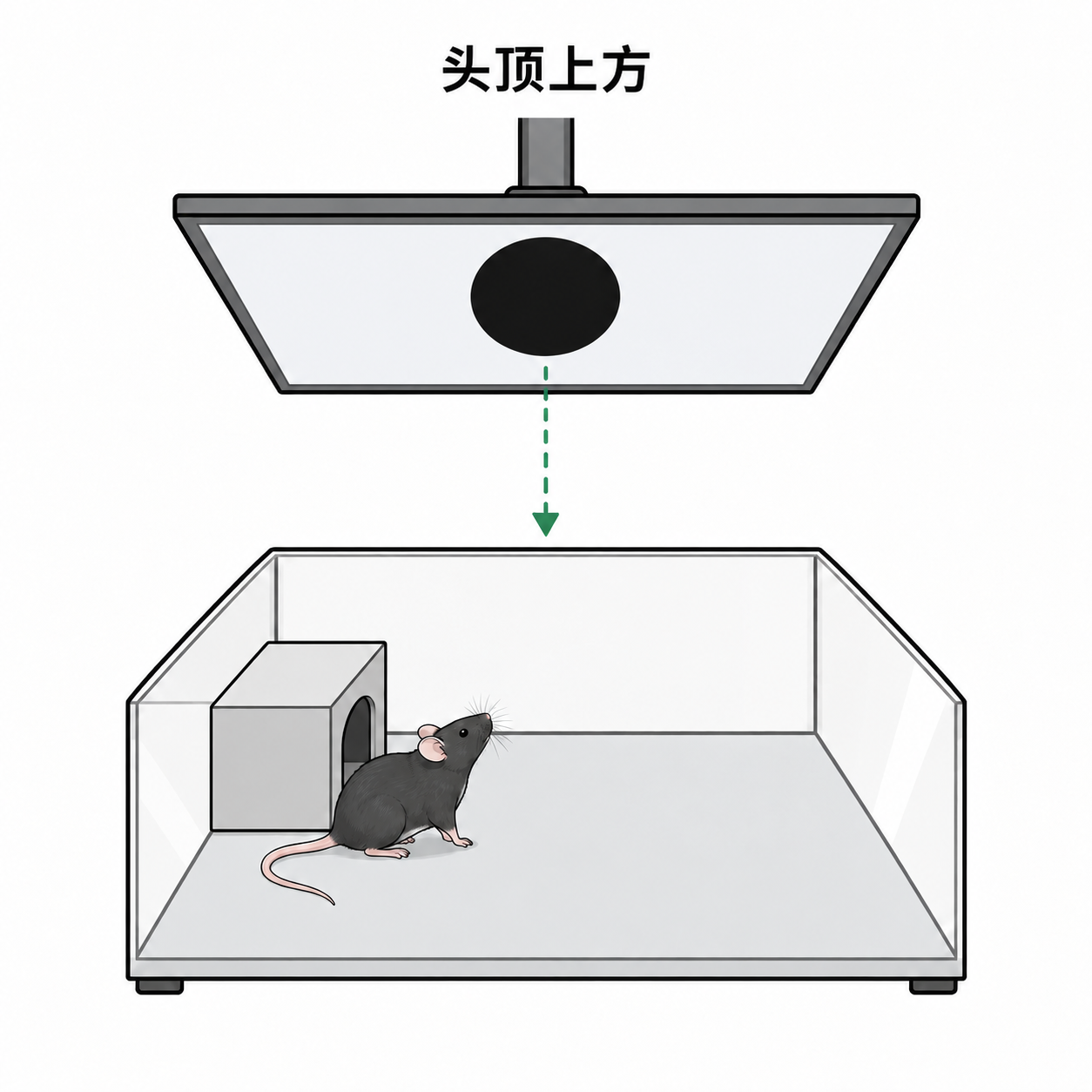
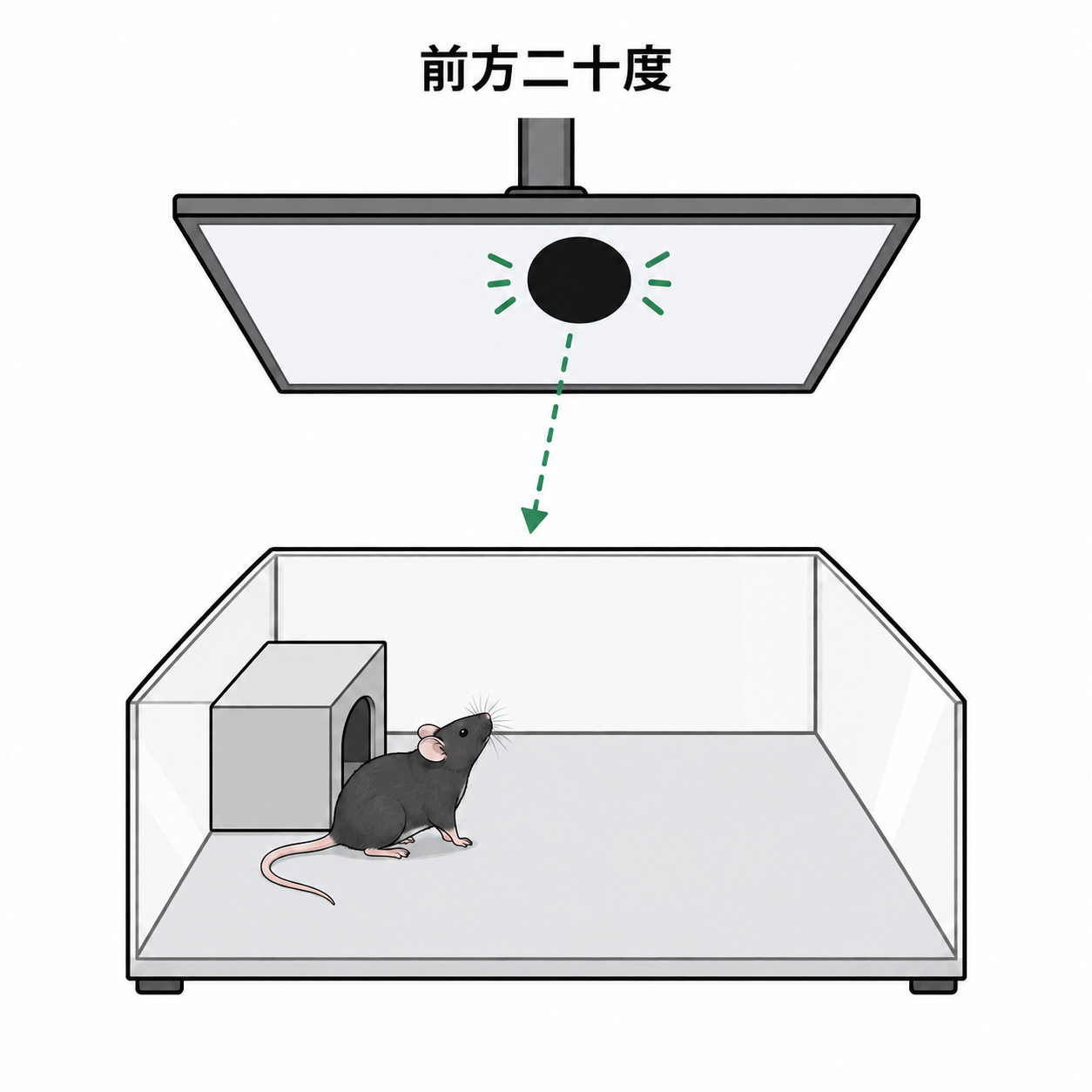
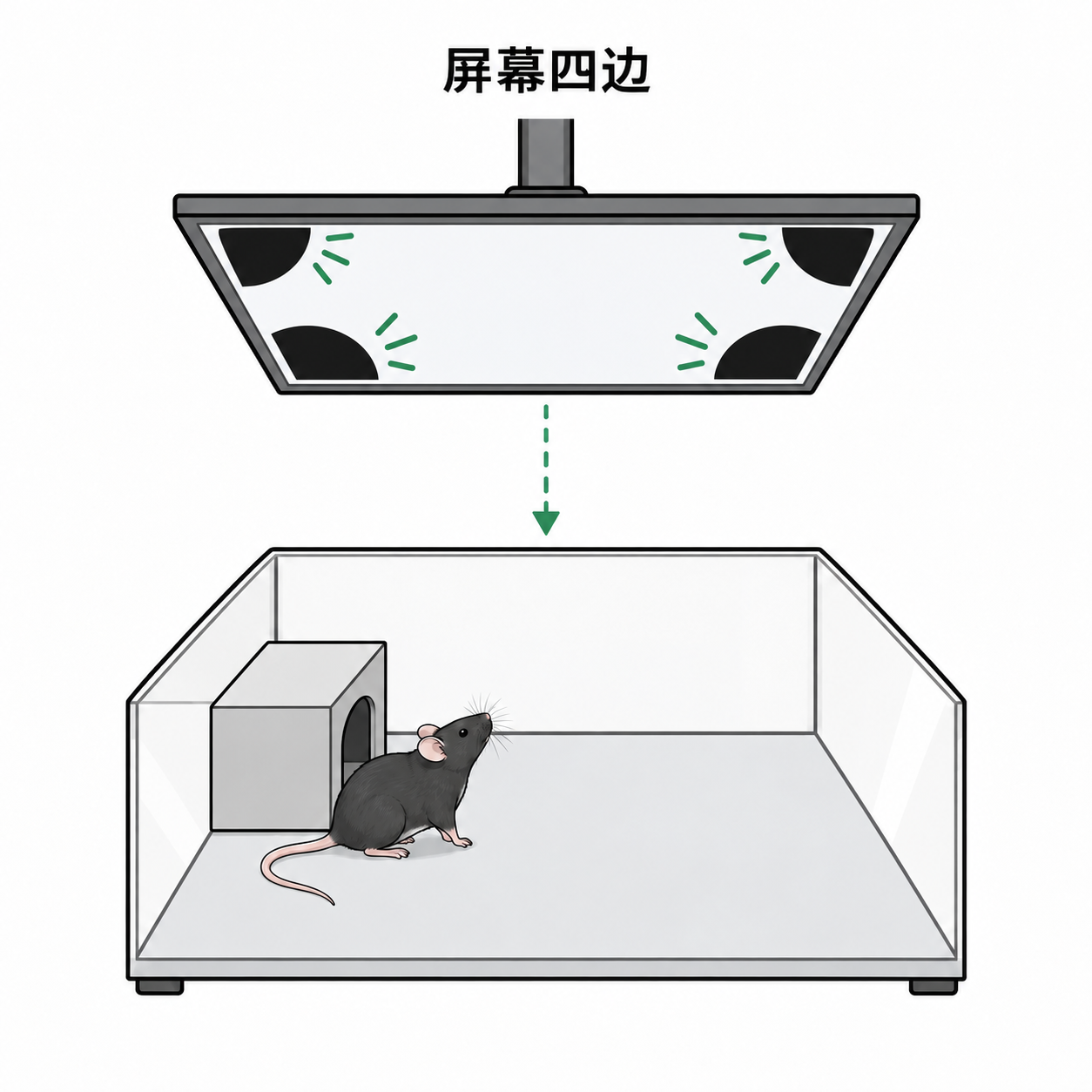
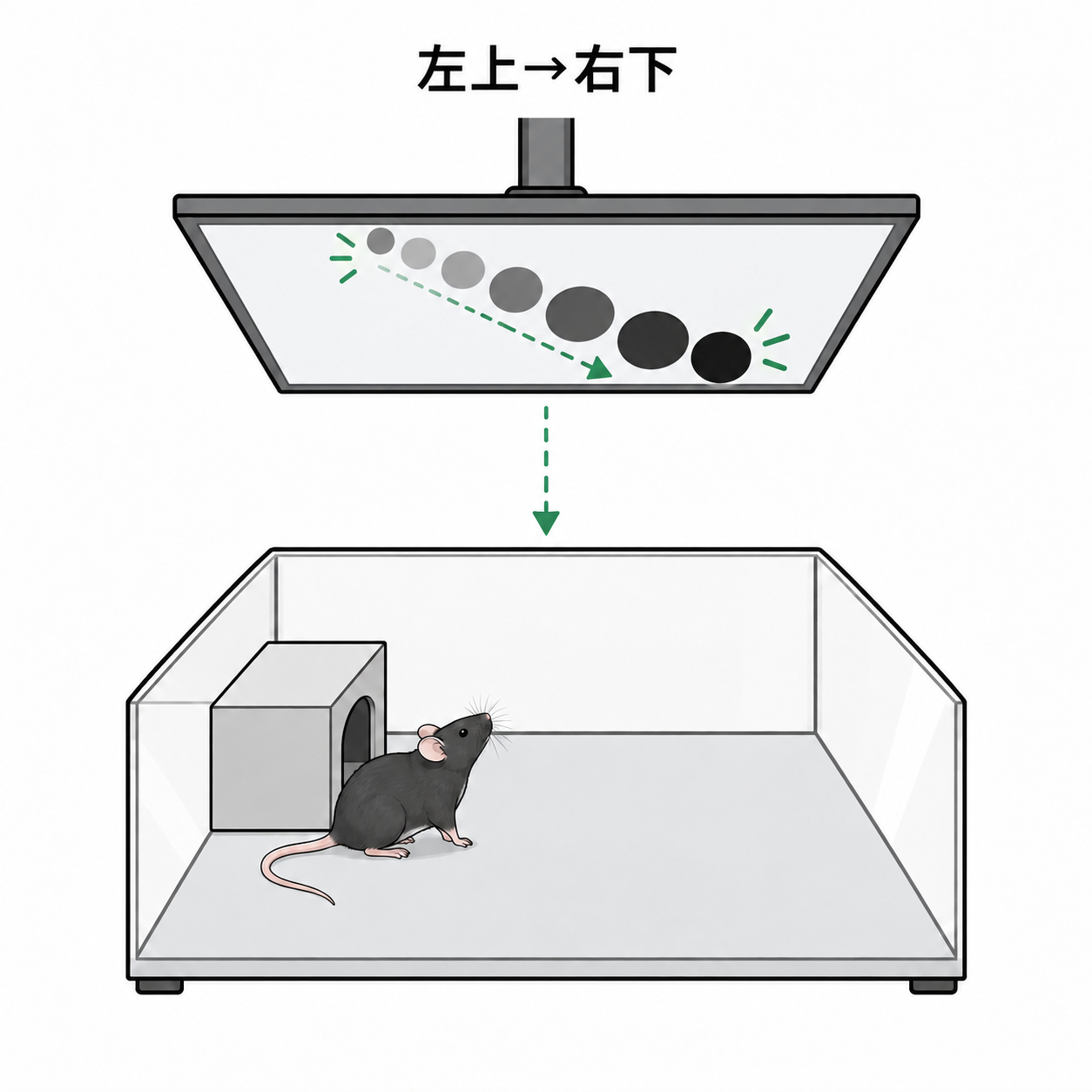
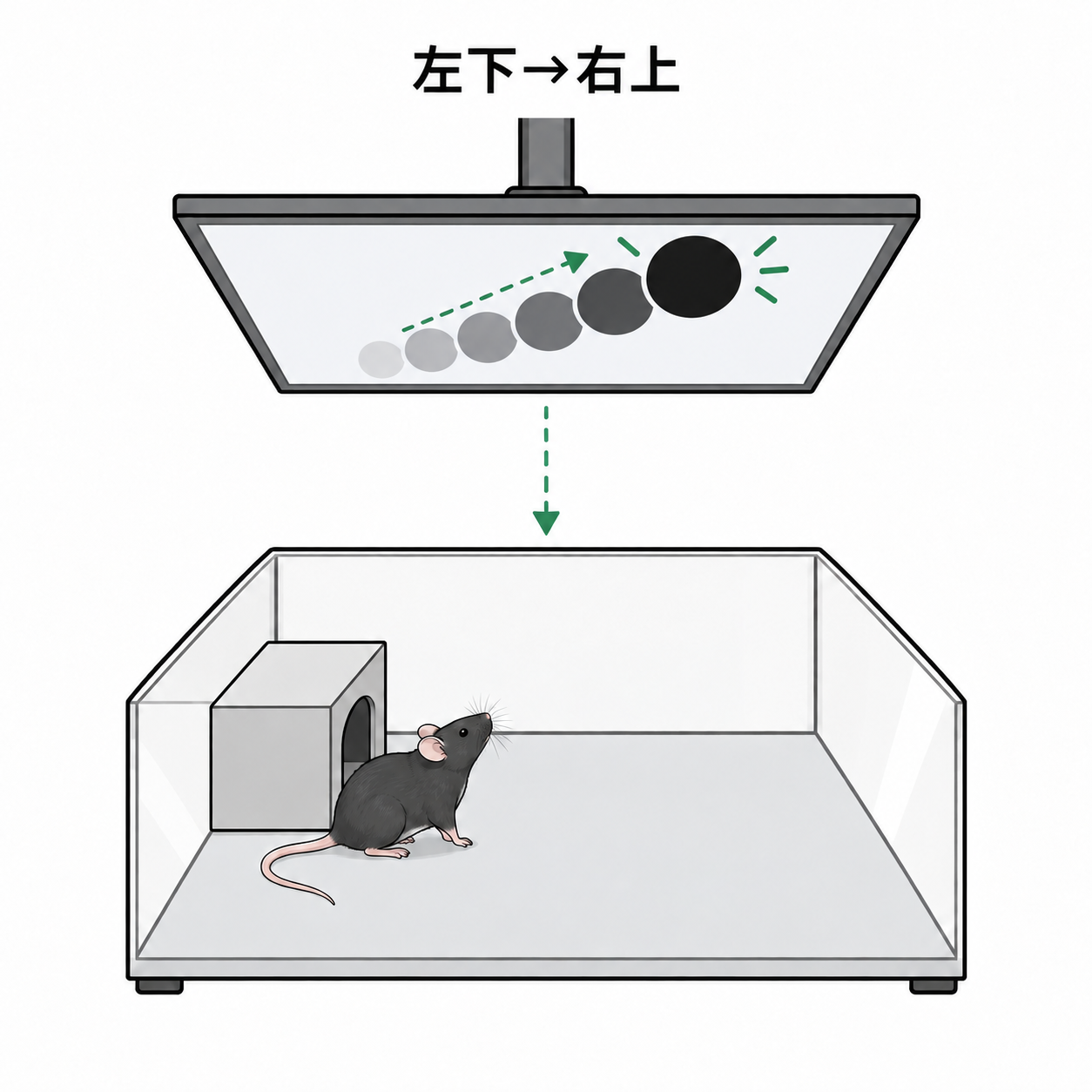
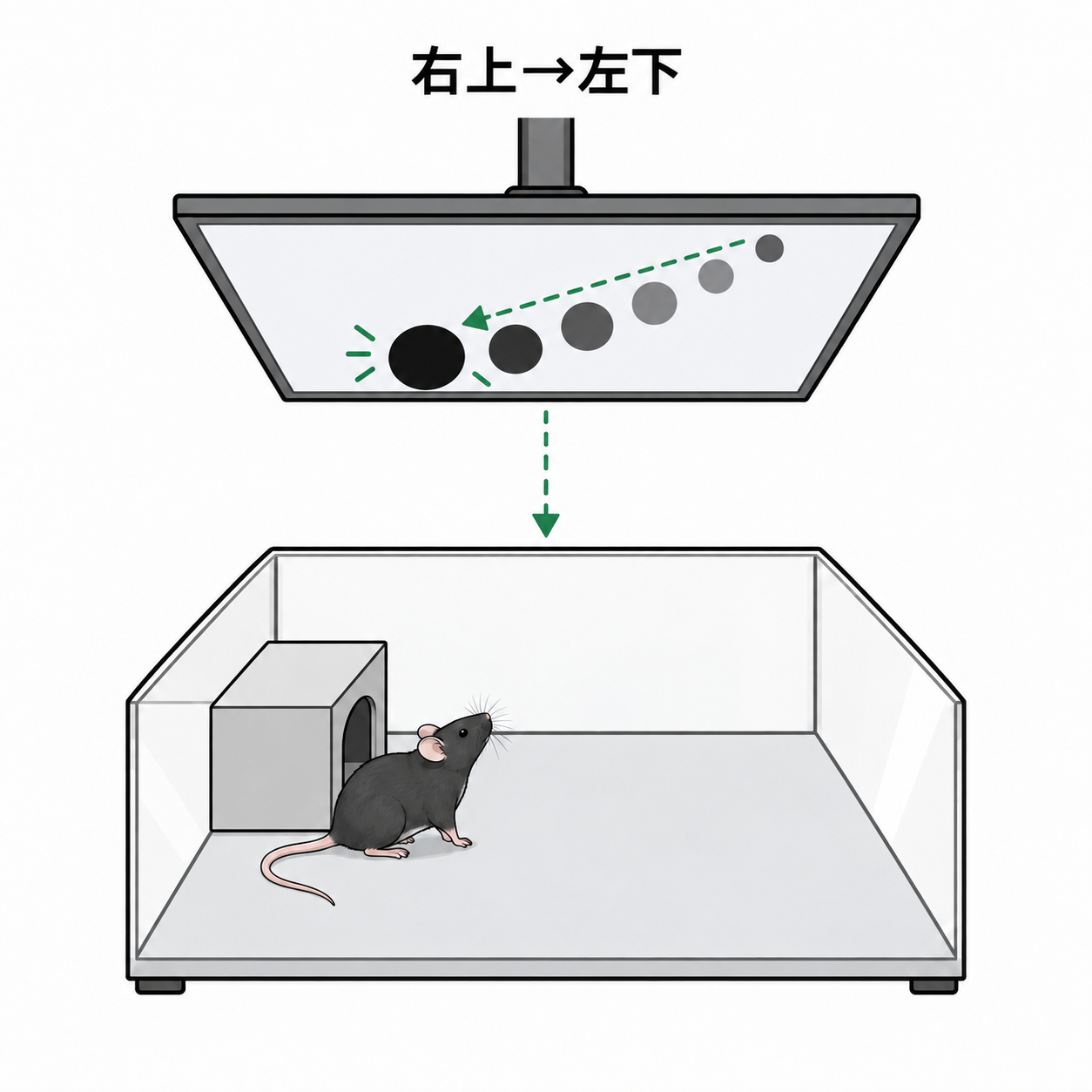
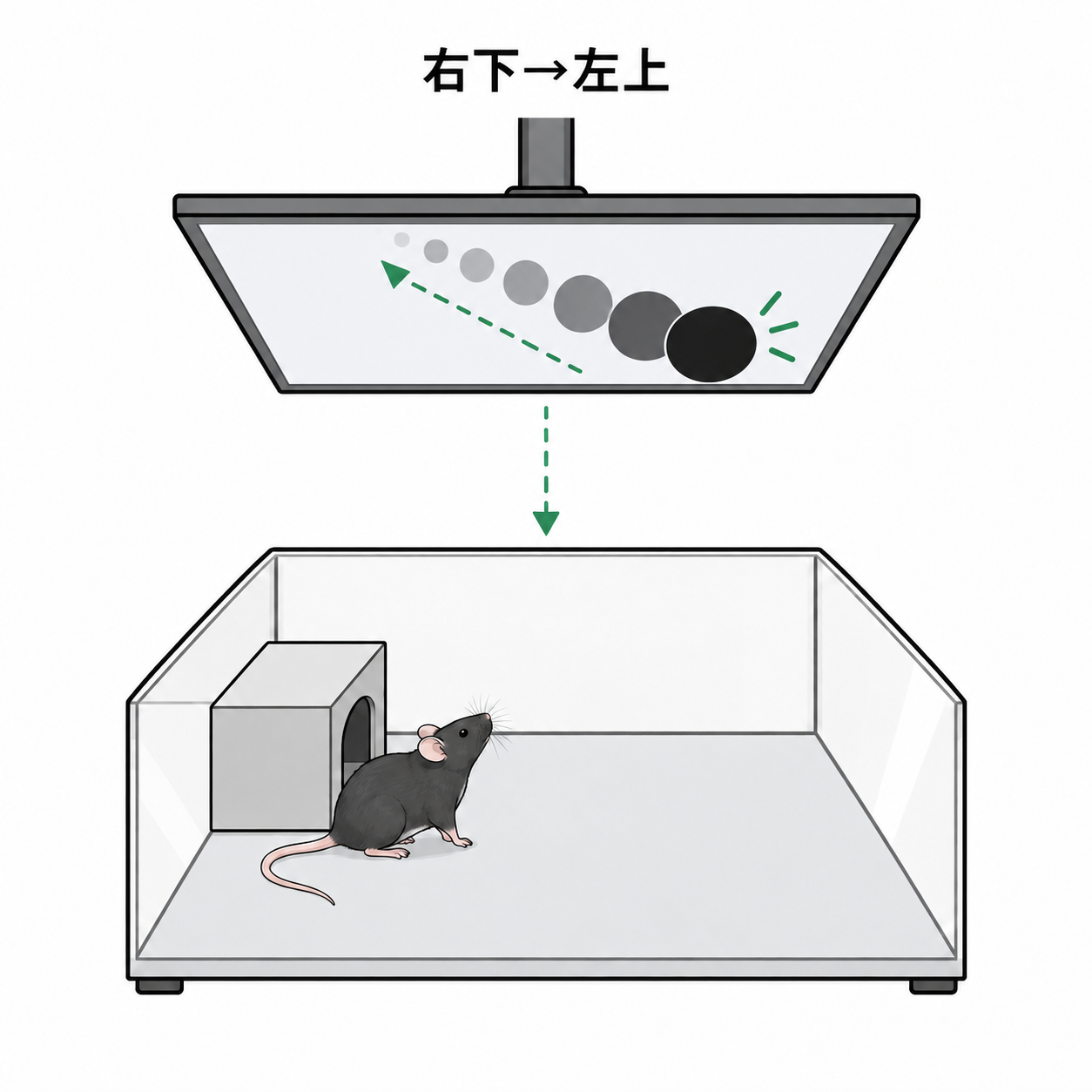
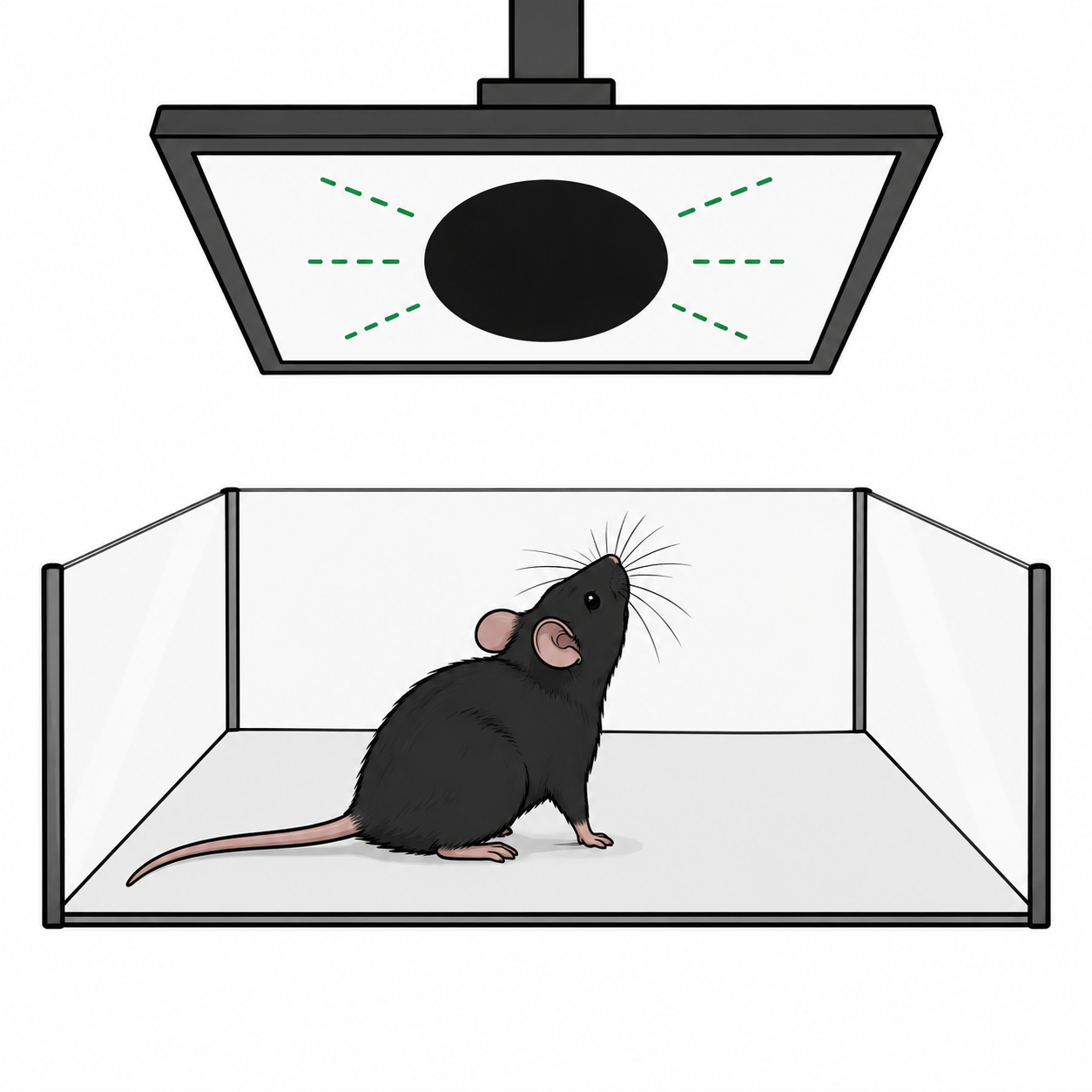
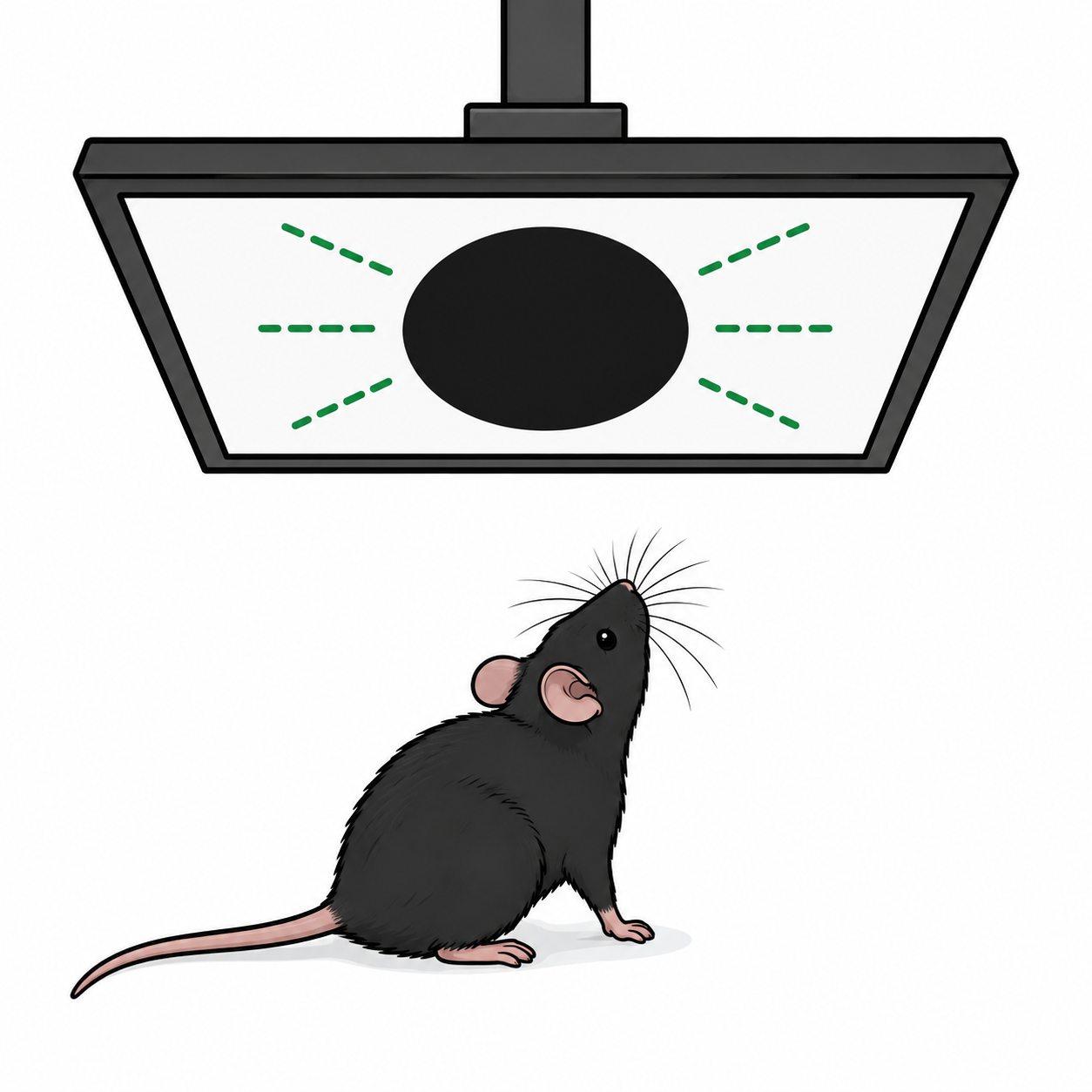
Simulates expanding overhead shadow threats — eliciting innate fear and defensive responses.

02

Multi-metric automatic analysis

Simultaneous quantification of freezing, escape, speed, and trajectories — key defense dimensions.

03

Neural circuit mechanism research

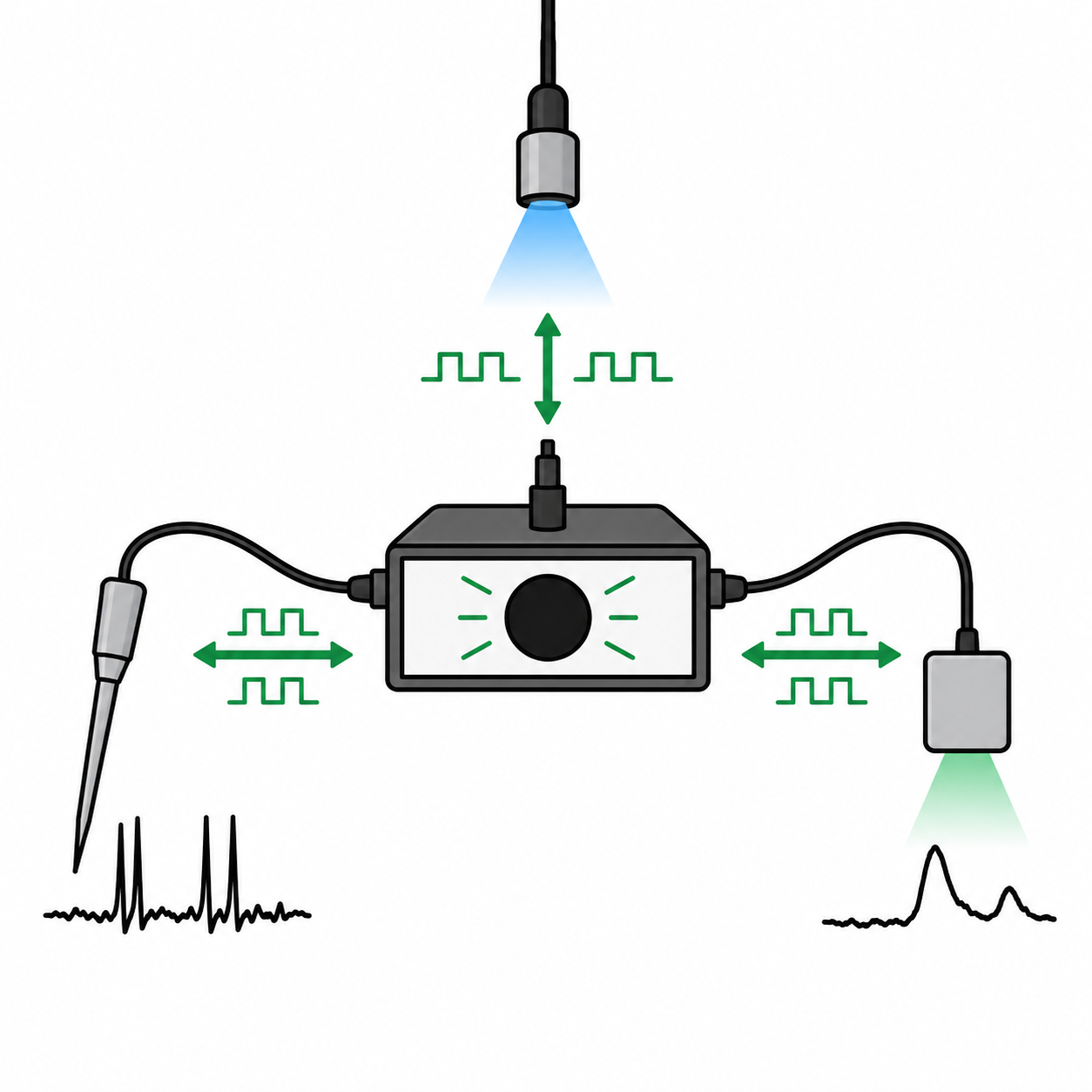
High temporal-resolution behavior data combinable with electrophysiology and calcium imaging for fear circuit parsing.

Visual Stimulus

Standardized looming stimulus parameters — comparable, reproducible defensive responses across experiments and batches.

Expanding shadow stimulus

Top-down expanding circular/elliptical shadow simulating approaching predator.

Δt

Stimulus timing control

Configurable onset, duration, and inter-stimulus interval — habituation and repeated-elicitation paradigms.

I

Intensity gradient adjustment

Adjust expansion speed and contrast — study threat intensity effects on defense strategy.

Sync

Behavior-stimulus synchronization

Precise alignment of stimulus events and behavioral responses — latency and phase-locked analysis.

Safe

Safe-zone control design

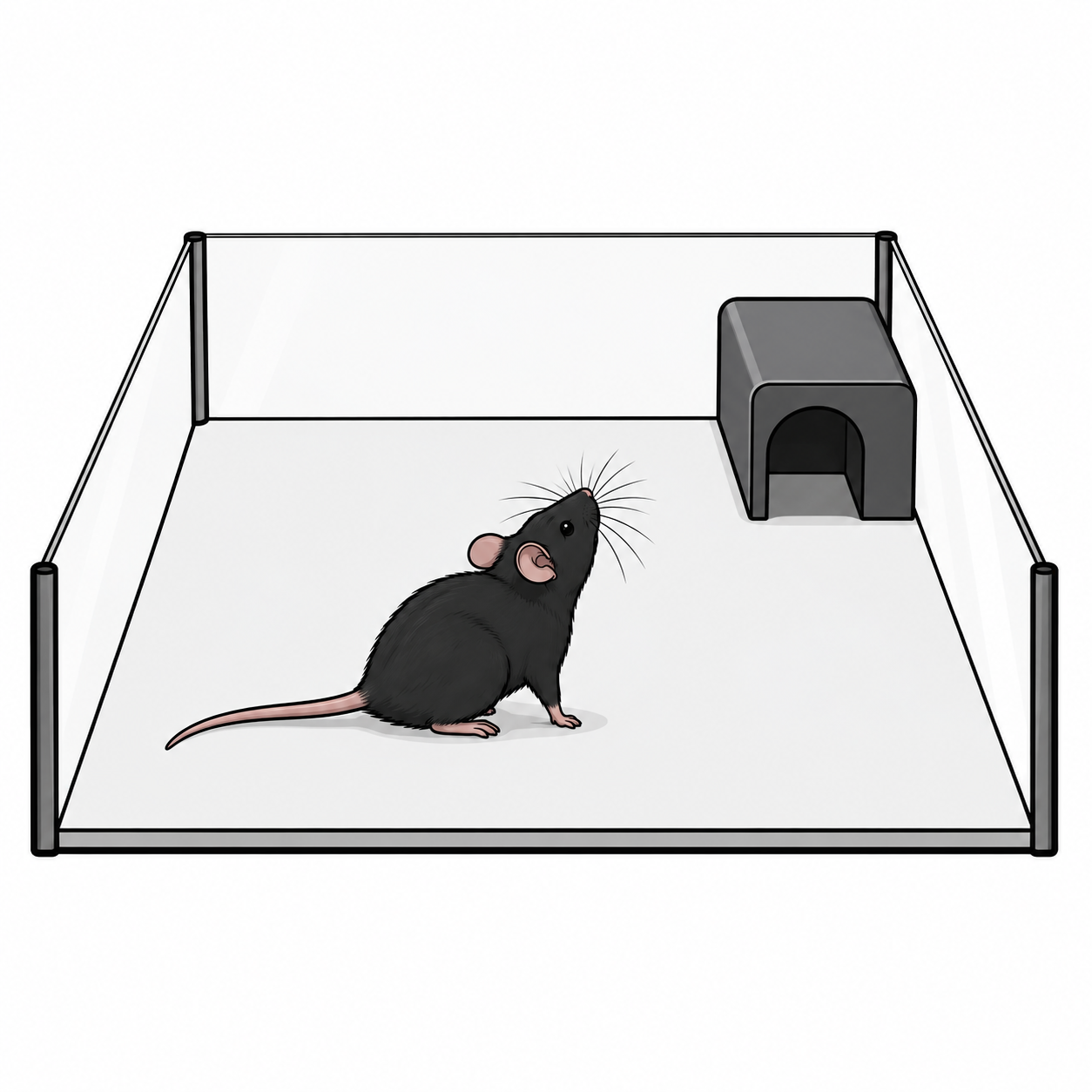
Shelter/no-shelter control conditions — parsing escape direction and shelter-seeking.

Log

Stimulus log export

Full log of each looming event — joint replay with behavior traces.

Defense Assessment

Precise identification of looming-evoked freezing, escape, and innate defense — multi-dimensional quantitative metrics.

01

Freezing behavior analysis

Automatic detection of freeze episode onset/offset, duration, proportion, and bout frequency.

02

Escape response detection

Detects oriented escape, acceleration, and shelter approach after stimulation.

03

Locomotion speed & trajectory

Full-session speed curves and spatial trajectories — pre/post-threat locomotion changes.

04

Defensive decision metrics

Freeze-escape switch latency, response-type ratios, and other decision-related readouts.

Applications

Supporting innate fear neuroscience, sensory processing, and anxiety/PTSD disease model assessment.

01

Innate fear neural circuits

Behavioral phenotypes for visual threat pathways and colliculo-amygdalar circuit validation.

02

Sensory information processing

Study looming visual encoding, integration, and transformation to motor output.

03

Anxiety disorder models

Quantify abnormal defense and habituation deficits in anxiety model mice under threat.

04

PTSD & trauma stress

Assess freeze/escape pattern changes in trauma-stress models under repeated looming.

Specifications

Standard hardware/software solution for mouse looming innate fear experiments.

SubjectsMice · innate fear behavior
ParadigmLooming visual · expanding shadow
MetricsFreezing · escape · speed · trajectory · decision latency
ResearchNeural circuits · sensory processing · anxiety/PTSD models
DeploymentOn-site install · paradigm training · analysis support

Book Looming Innate Fear System Demo

Contact us for looming stimulus setup, defense behavior metrics, and experiment design.