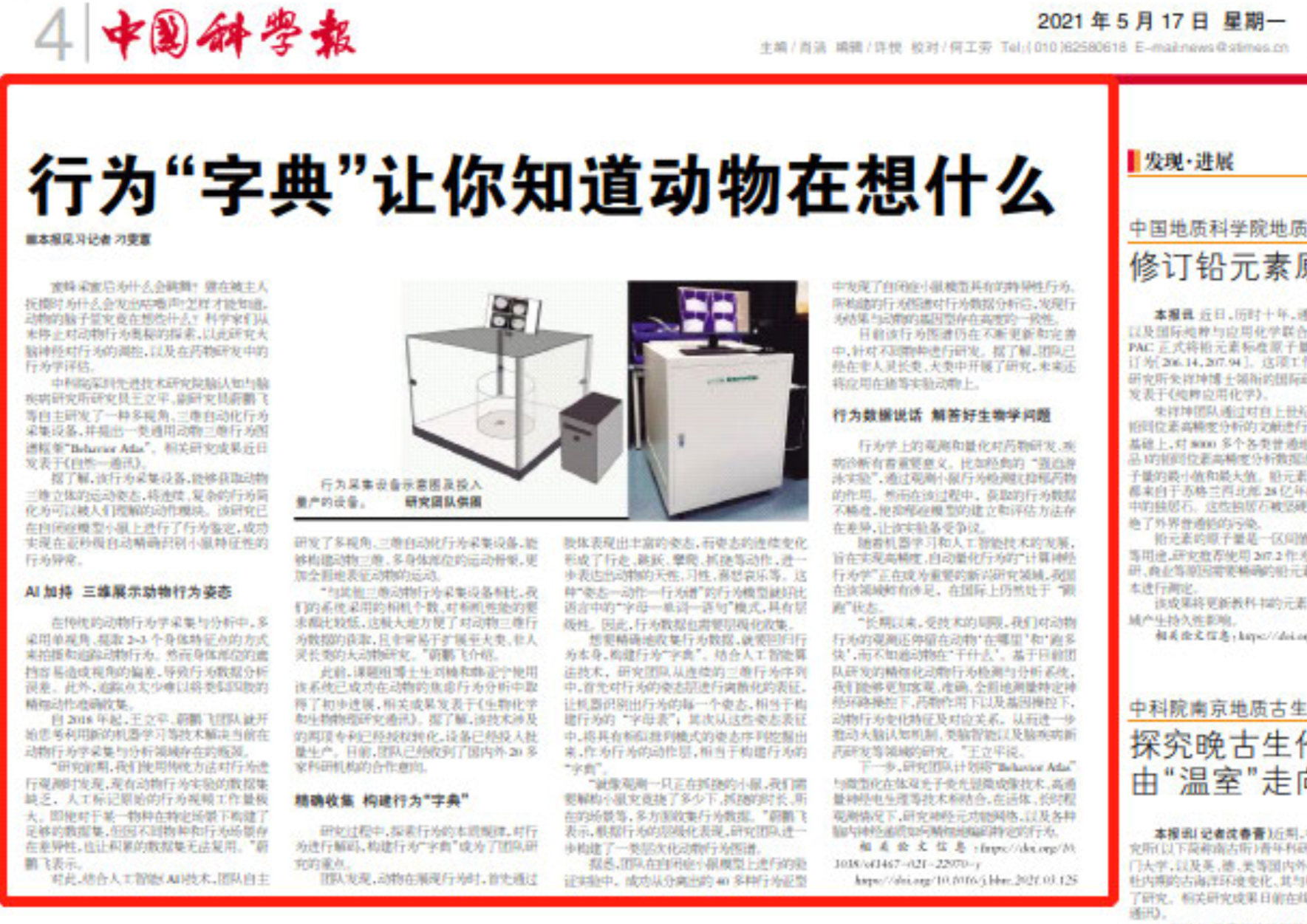



Single-view capture — prone to occlusion
When body parts occlude each other or overlap with cage walls and equipment edges, keypoint and contour detection is easily lost, reducing analysis stability.
China's first markerless 3D animal pose capture system. Identify 16+ keypoints, quantify 40+ behavior subtypes, and export publication-ready charts — for mice, rats, NHPs, and more.
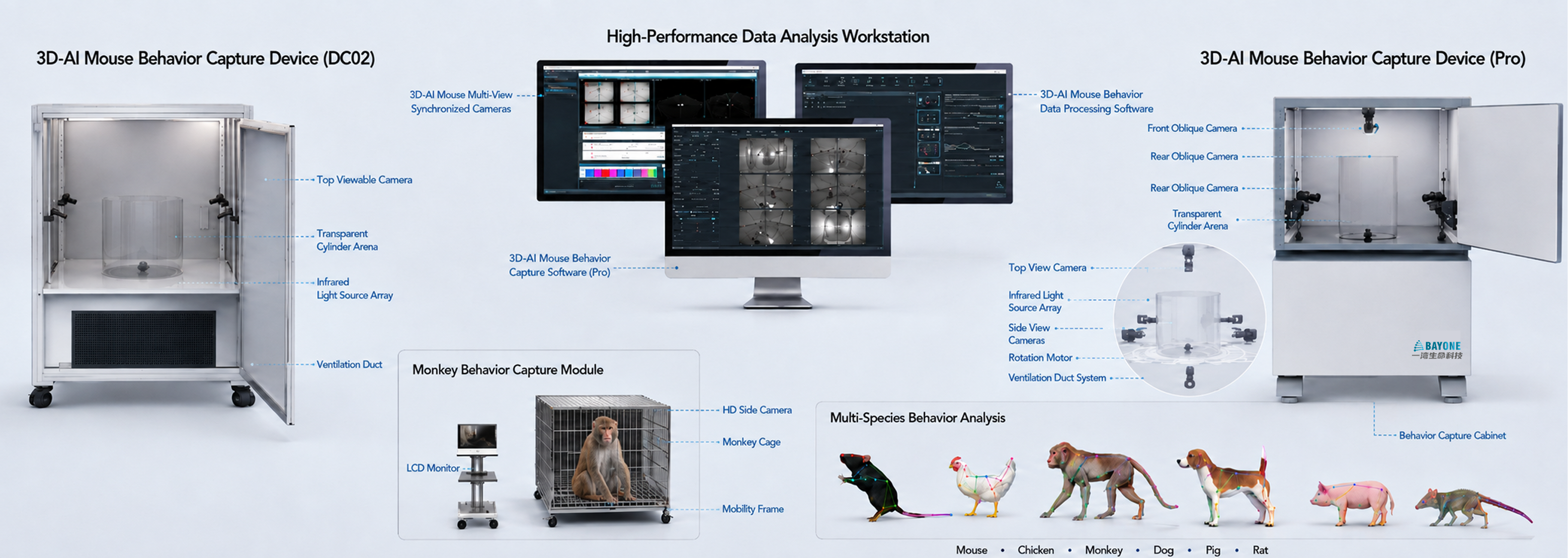
China's first 3D-AI fine ethology product — backed by publications, patents, media coverage, and peer recognition






6 granted · behavior recognition · 3D capture · quantification
In a recent wild monkey behavior study, our work received an extensive dedicated commentary:
Read Original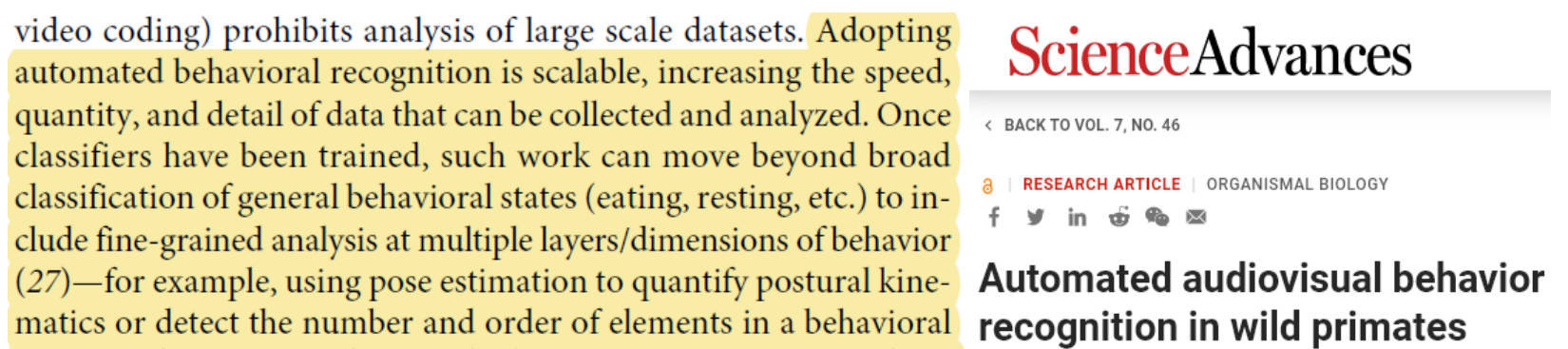
“Adopting automated behavioral recognition is scalable, increasing the speed, quantity, and detail of data that can be collected and analyzed. Once classifiers have been trained, such work can move beyond broad classification of general behavioral states (eating, resting, etc.) to include fine-grained analysis at multiple layers/dimensions of behavior.”
Related work appears in Nature family journals, with coverage from CAS, China Science Daily, CCTV, and dozens of outlets — featured as a CAS progress highlight and reviewed by China Brain Project experts.
Combining markerless 3D capture, AI recognition, and multi-species support to unlock the full potential of 3D behavior analysis.
BayOne's proprietary markerless 3D pose capture system — full-spectrum intelligent quantitative behavior analysis for neuroscience.

Fine 3D behavior recognition for open field and other paradigms — no physical markers on animals.
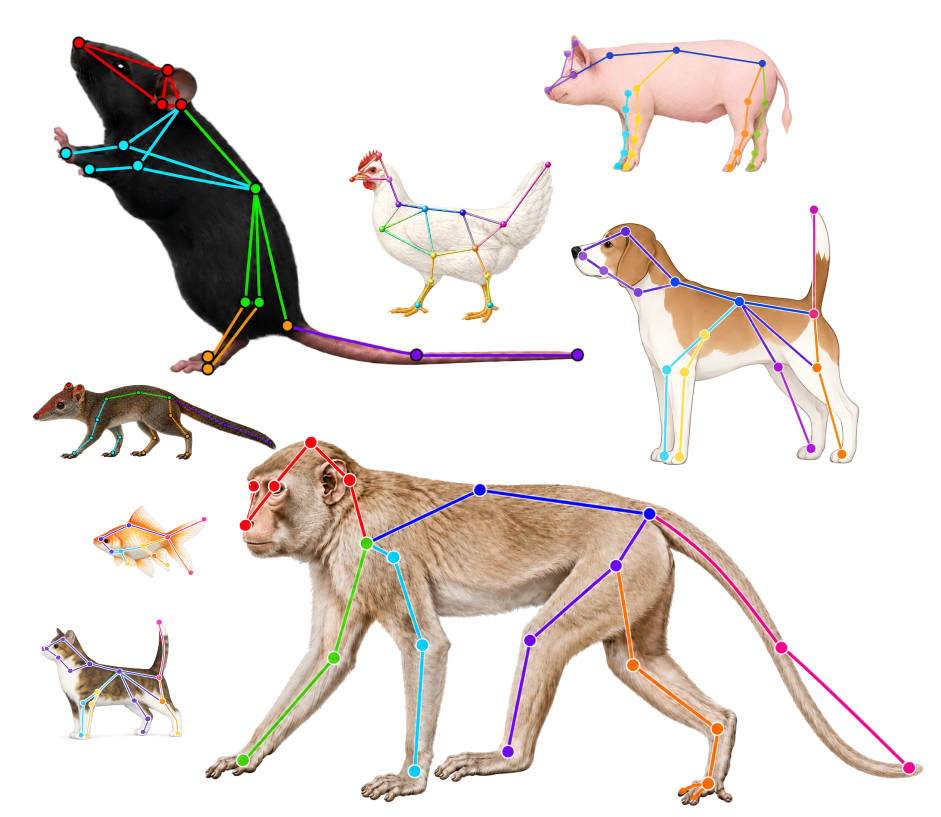
Deep learning identifies 16+ keypoints; ML decomposes behavior sequences and phenotypes for smarter analysis.
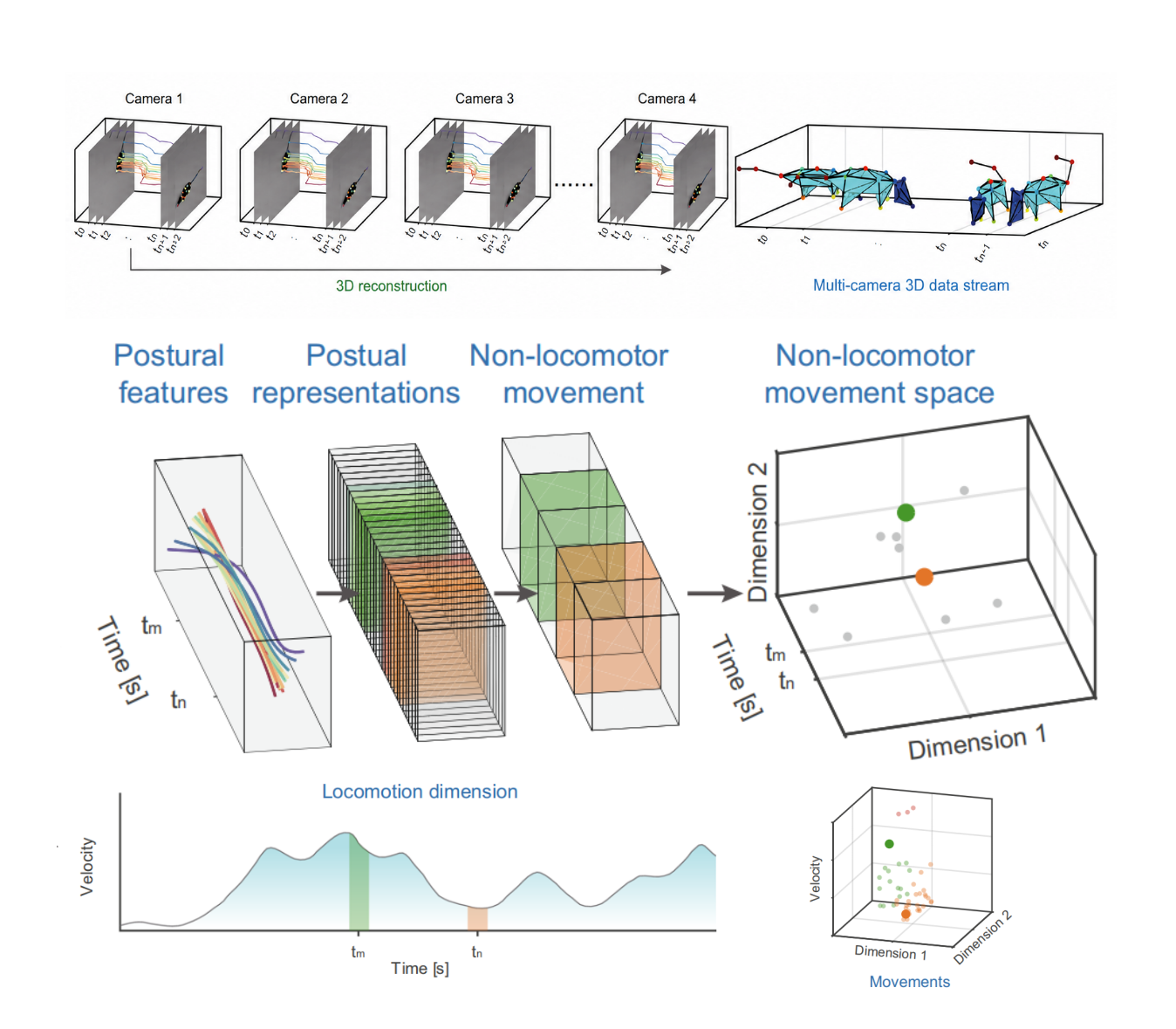
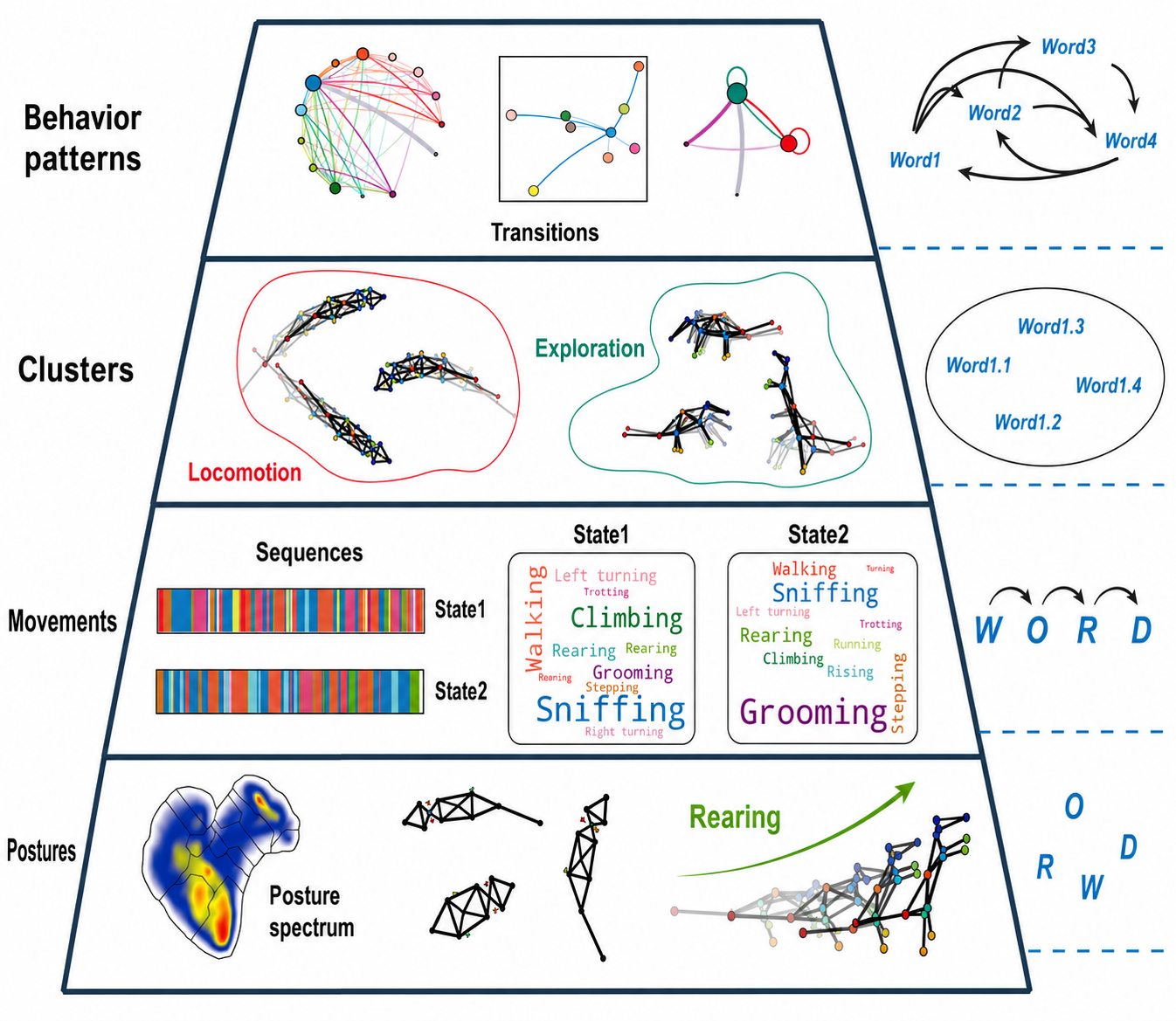
Hierarchical encoding: postures as letters, actions as syllables, behavior maps as sentences — quantifying every level.
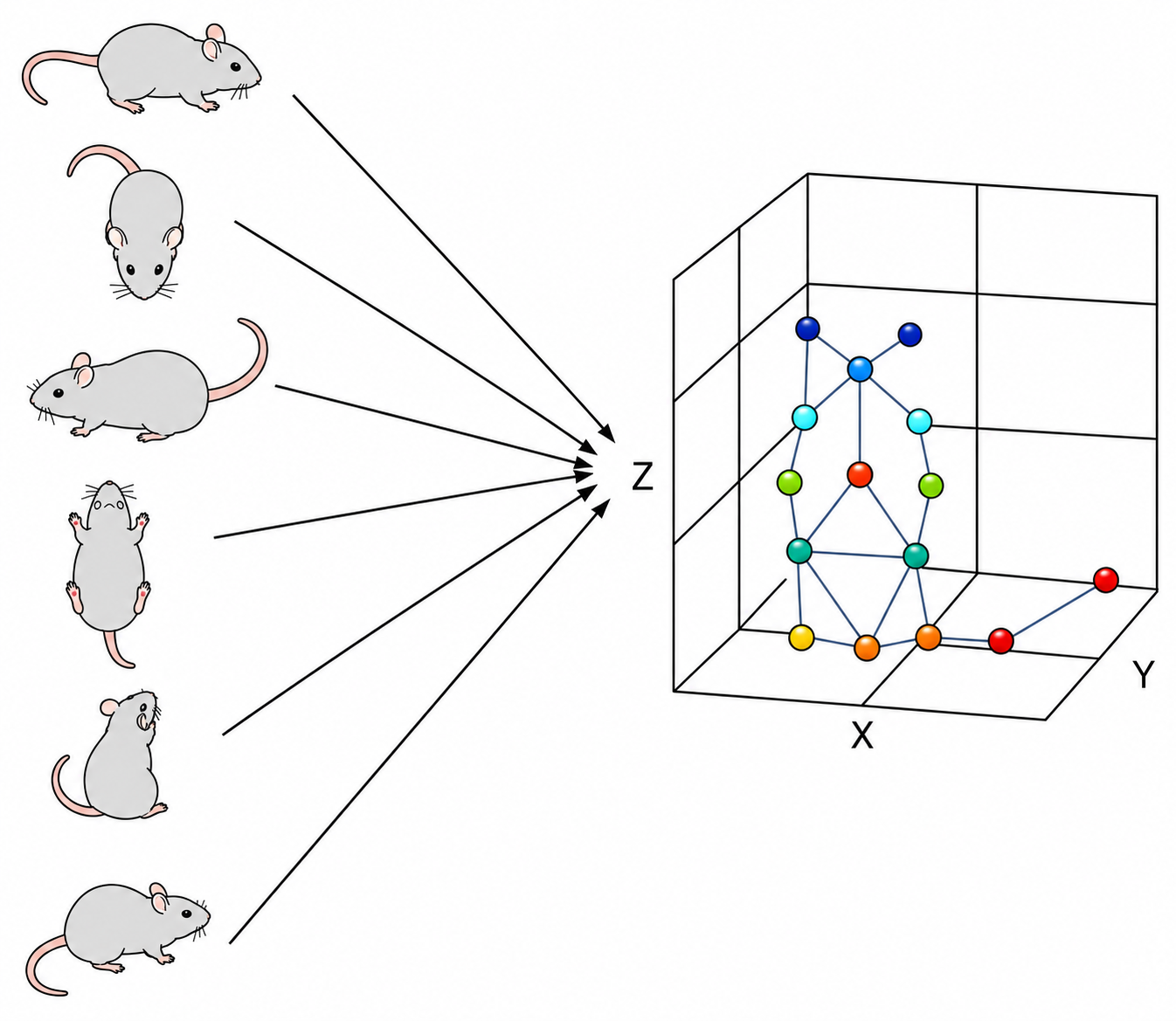
Multi-camera arrays capture activity from all angles, solving occlusion in single-view 2D recording.
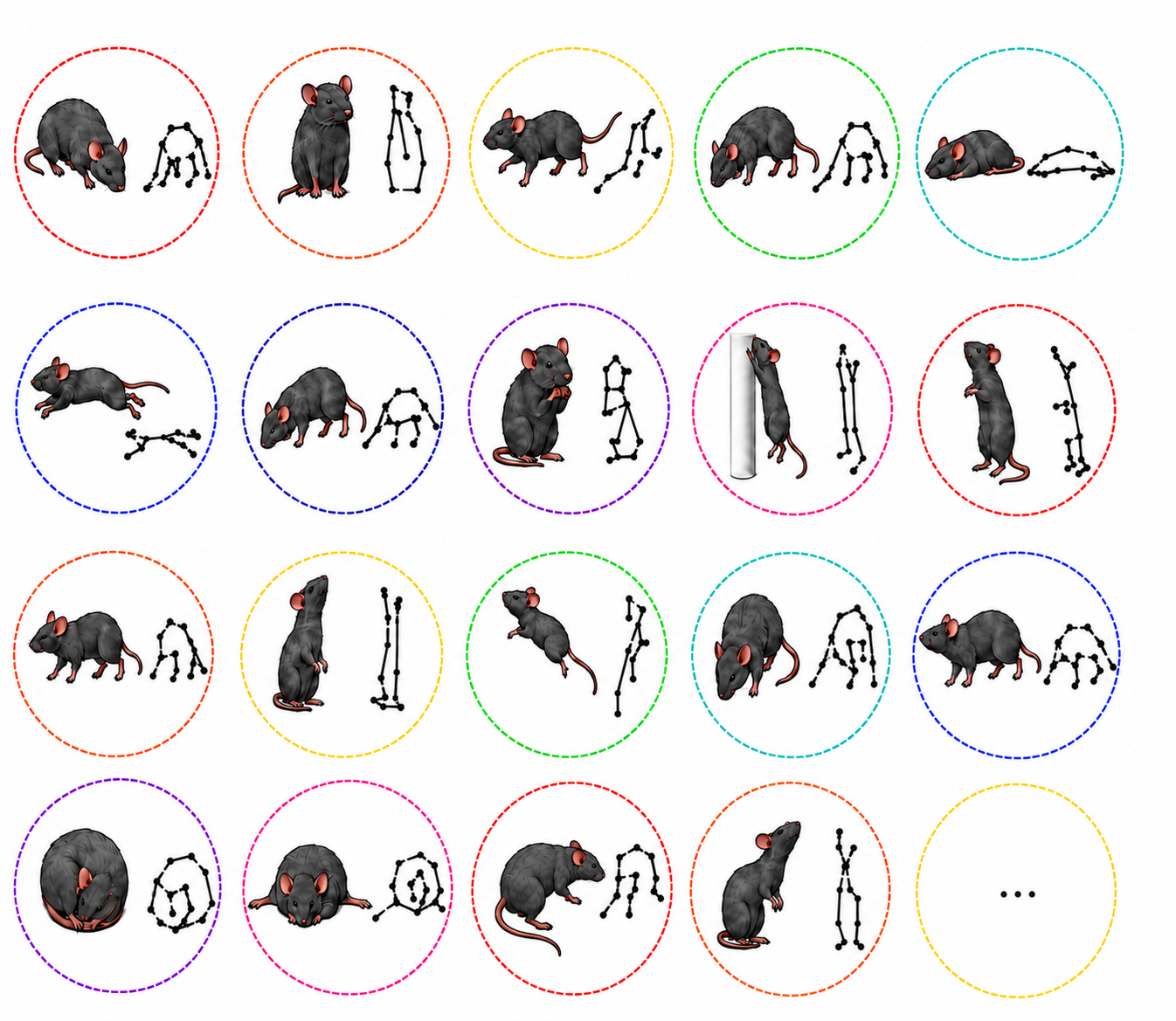
AI automatically extracts and quantifies 40+ fine subtypes including sniffing, climbing, jumping, and standing.
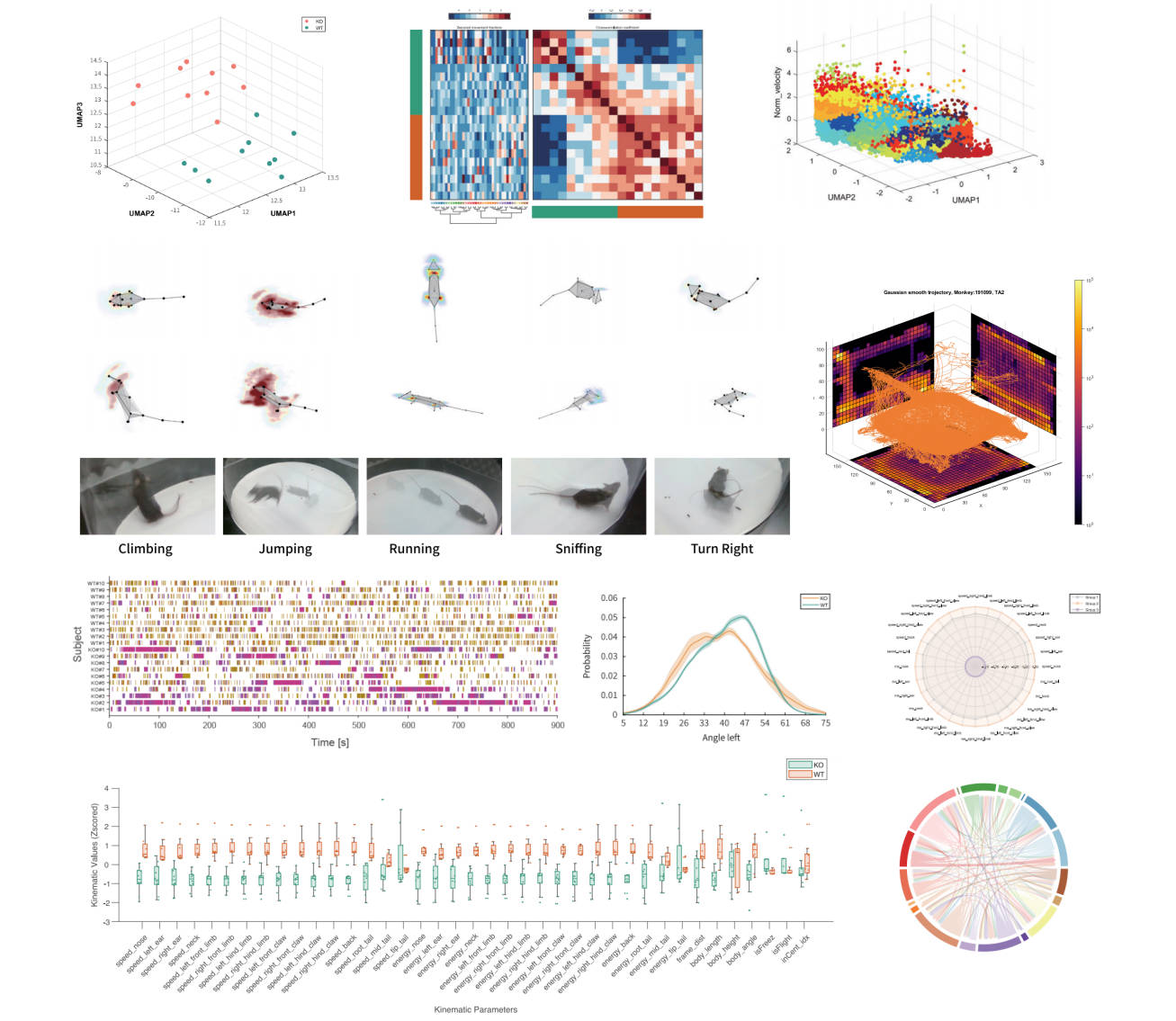
39 kinematic parameters plus distributions across 40 action types — multi-dimensional phenotypic data.
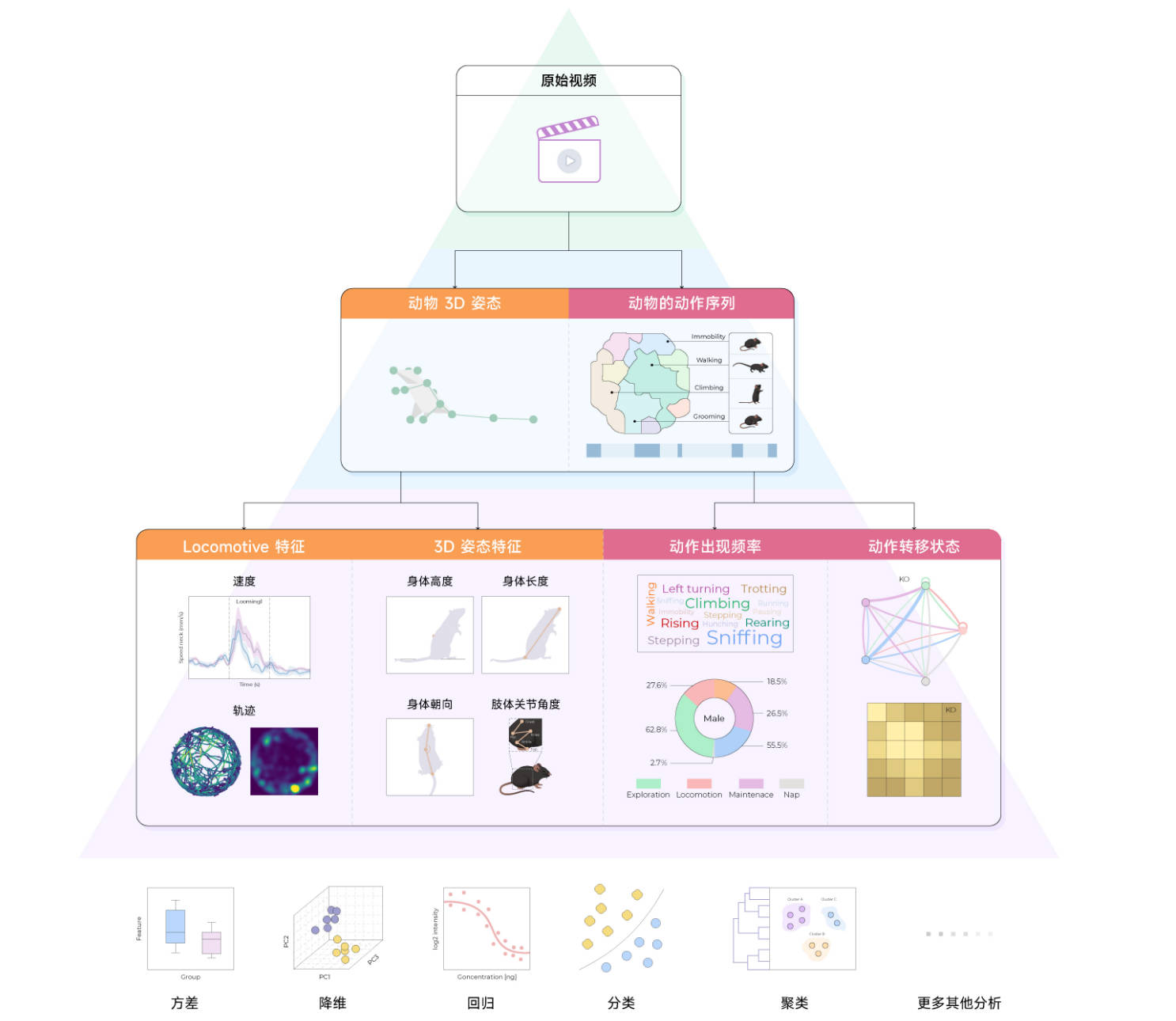
Export bar charts, heatmaps, clustering, dimensionality reduction, and behavior spectra — ready for SCI publication.
Severe information loss — fails to capture real behavior
When body parts occlude each other or overlap with cage walls and equipment edges, keypoint and contour detection is easily lost, reducing analysis stability.
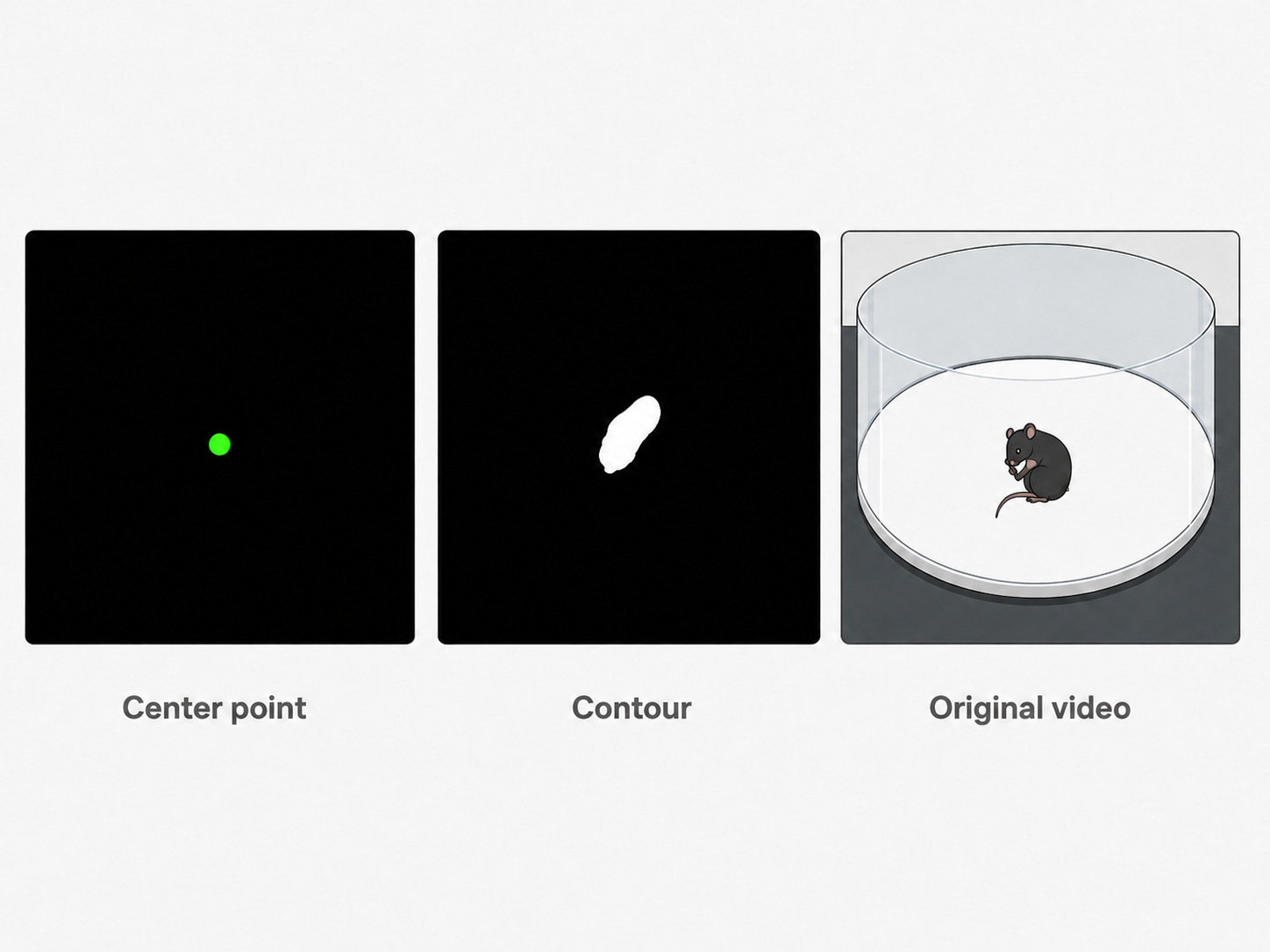
Tracking relies only on centroids or outlines — limited behavioral dimensions, unable to capture posture changes, limb motion, or complex behavior structure.
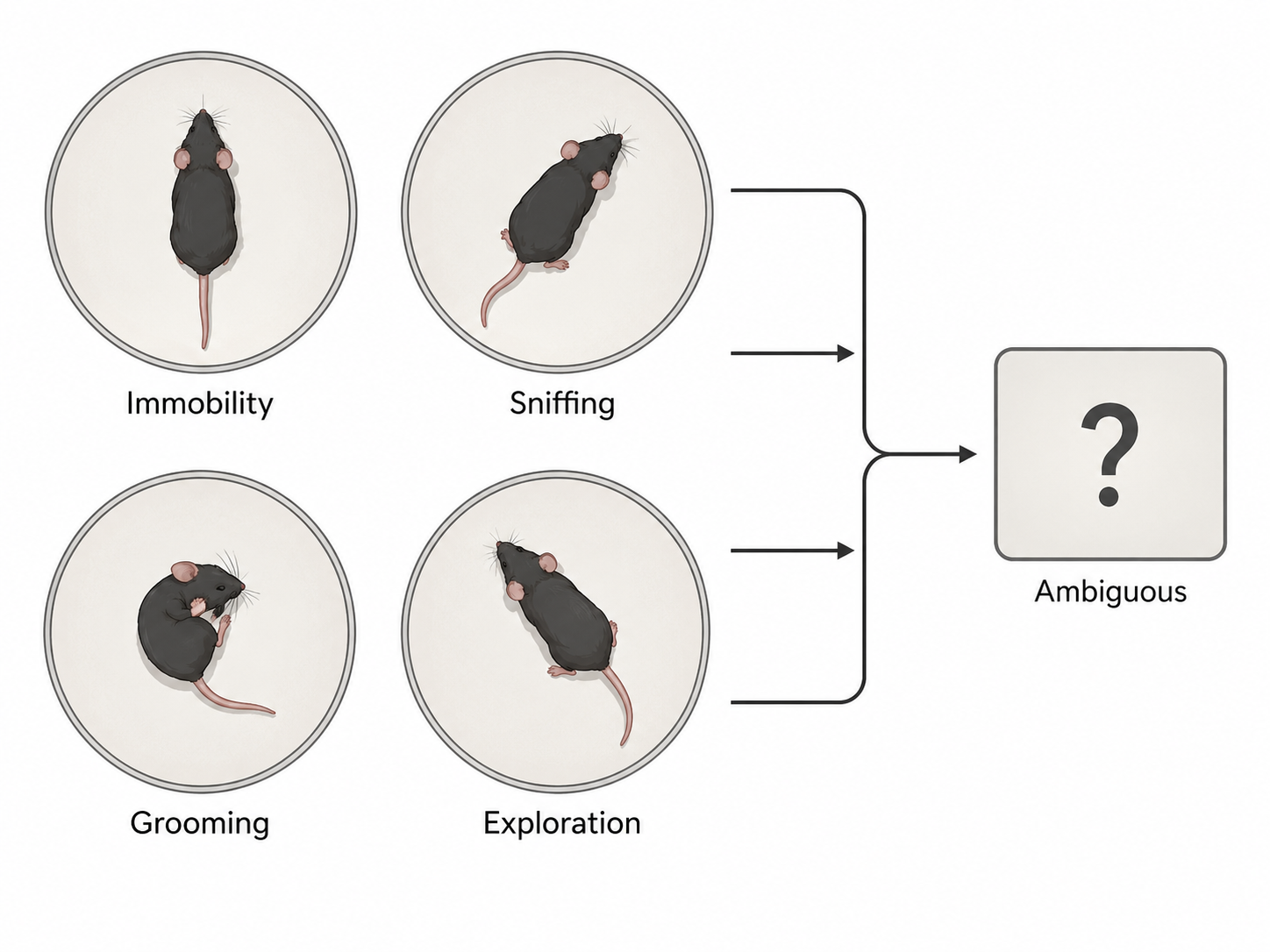
Many behaviors look similar in top-down view — immobility, sniffing, grooming, mild exploration — and are easily misclassified or merged into one category.
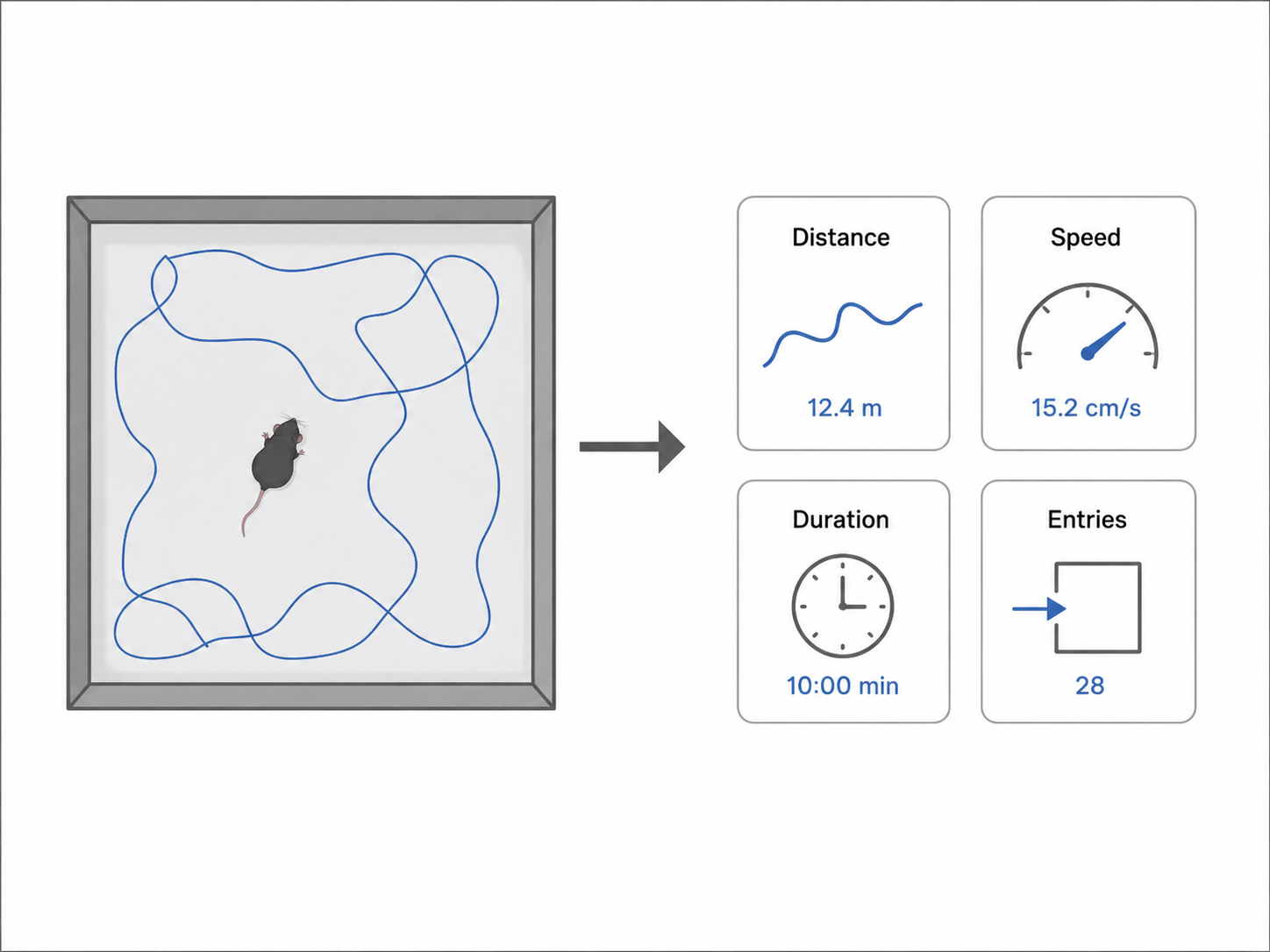
Outputs only simple metrics such as distance, speed, dwell time, and zone entries — insufficient to capture complex behavioral changes.
Fine-grained, comprehensive, objective behavior characterization
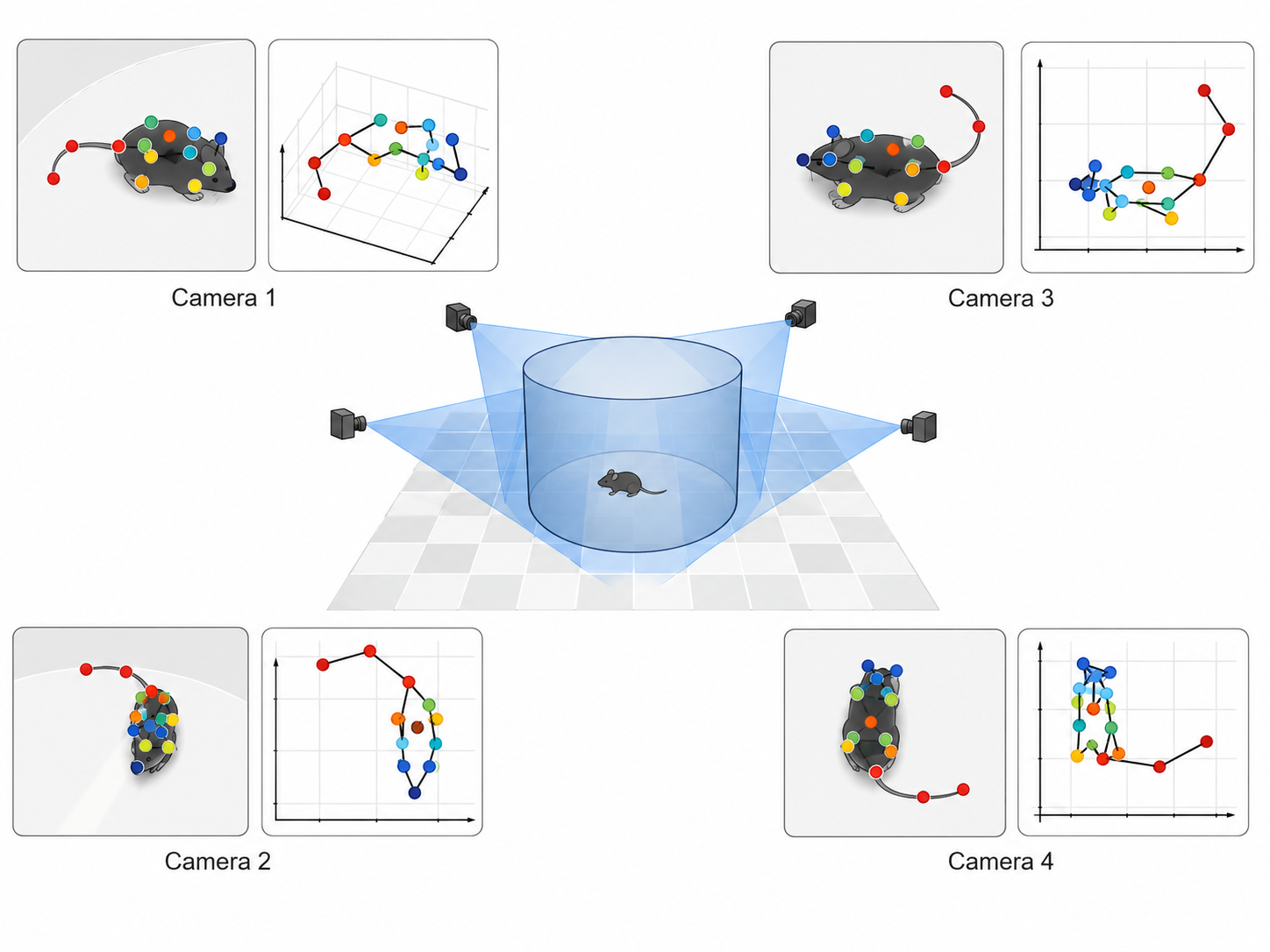
Multi-camera synchronized capture from different angles reduces single-view occlusion and information loss for more complete locomotion data.
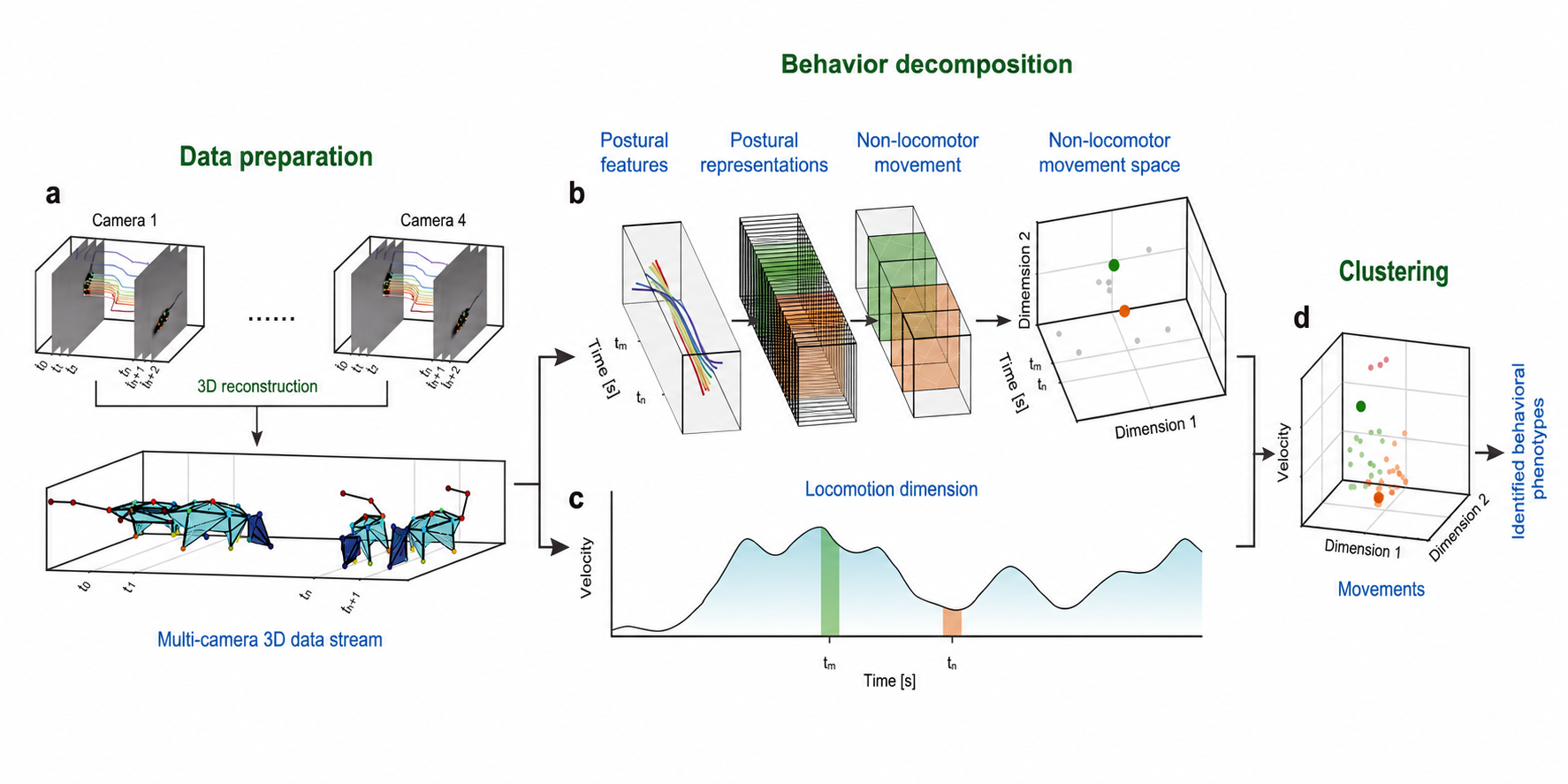
Reconstructs 3D skeletons from multi-view video — accurately restoring spatial position and posture of head, trunk, limbs, and tail.
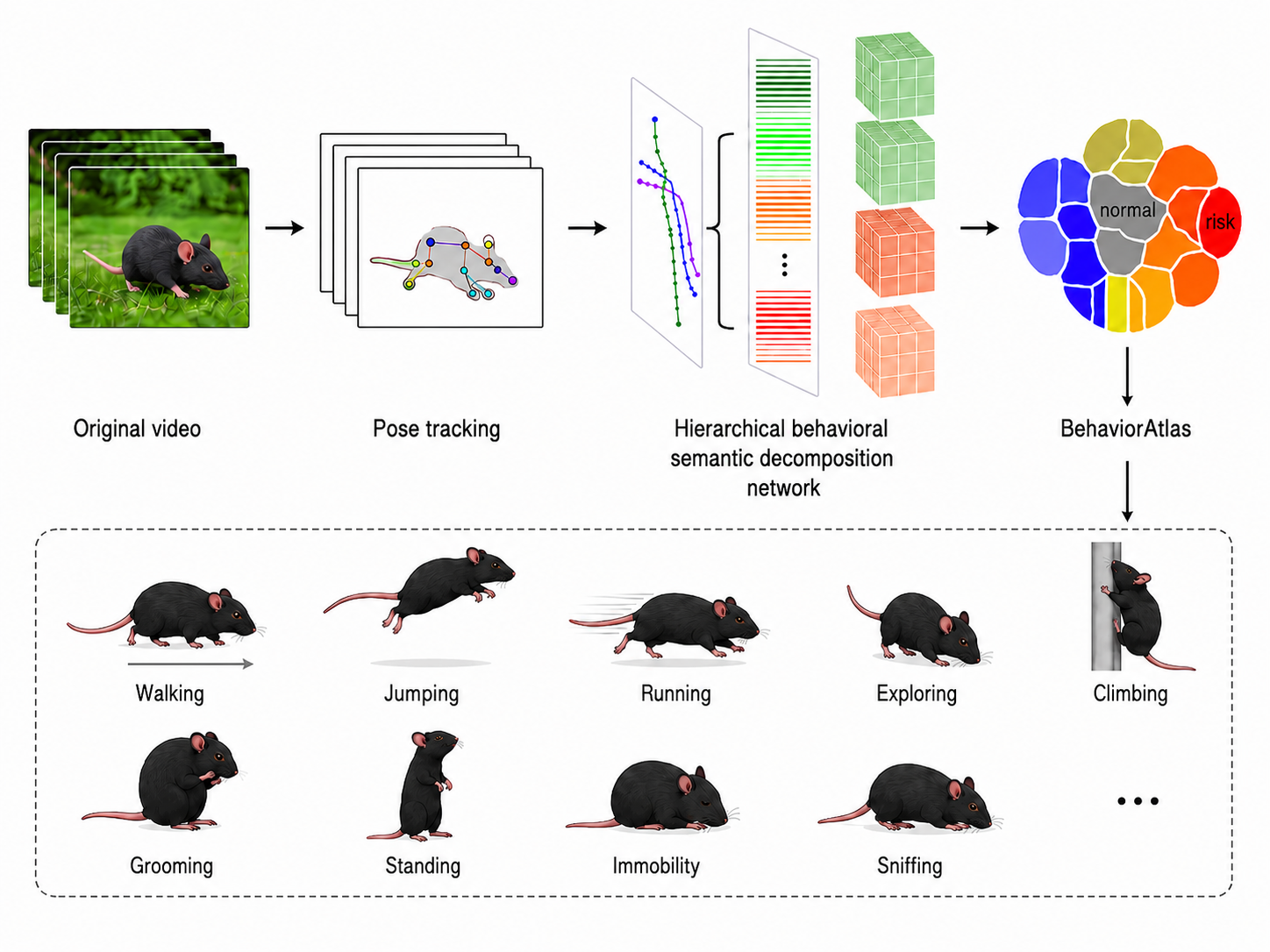
Powered by BehaviorAtlas decomposition — automatically segments continuous video into behavior episodes and types for fine-grained spectrum analysis.
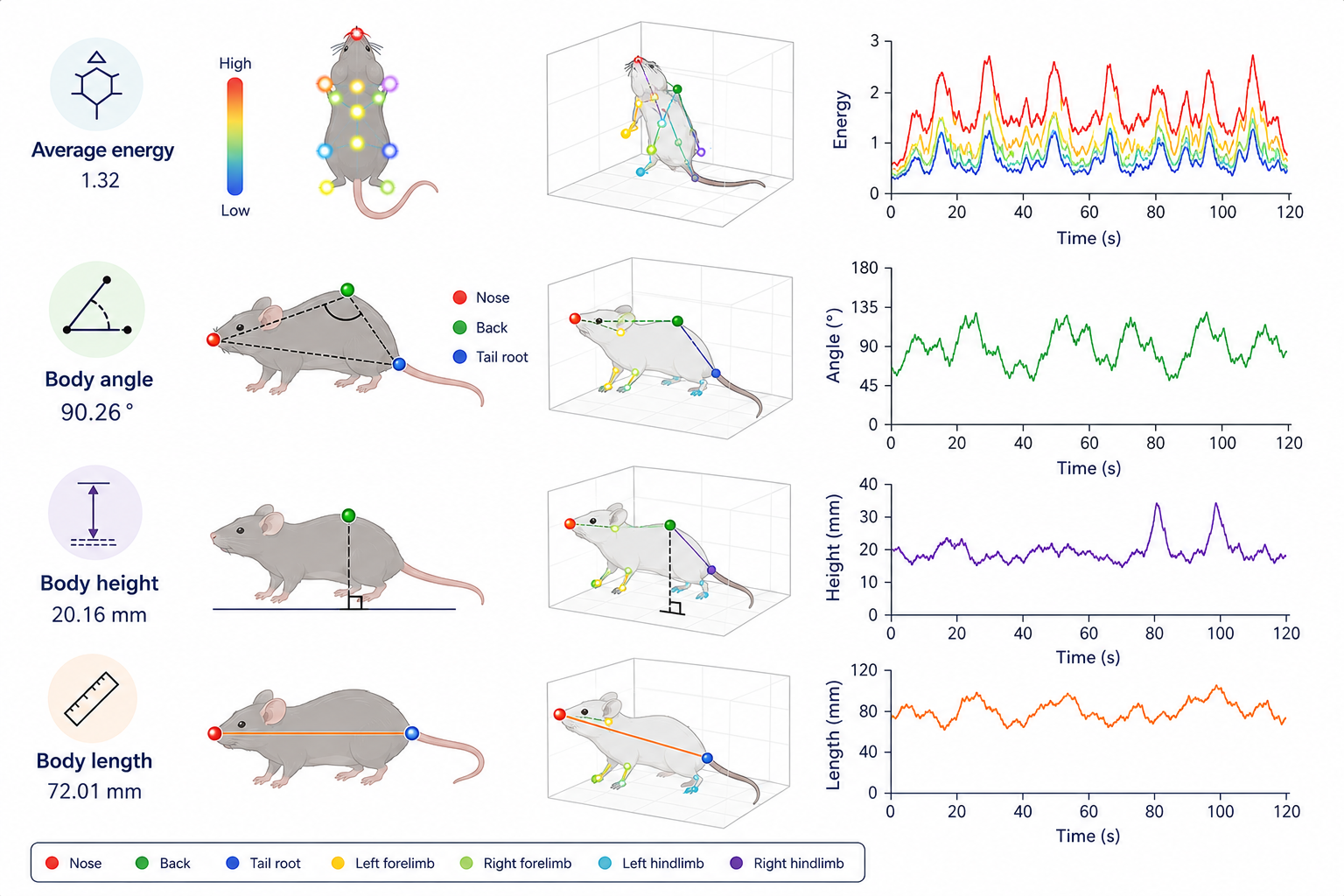
Beyond speed, distance, and time — quantifies posture, joint angles, body height, trajectories, behavior proportions, temporal dynamics, and more.
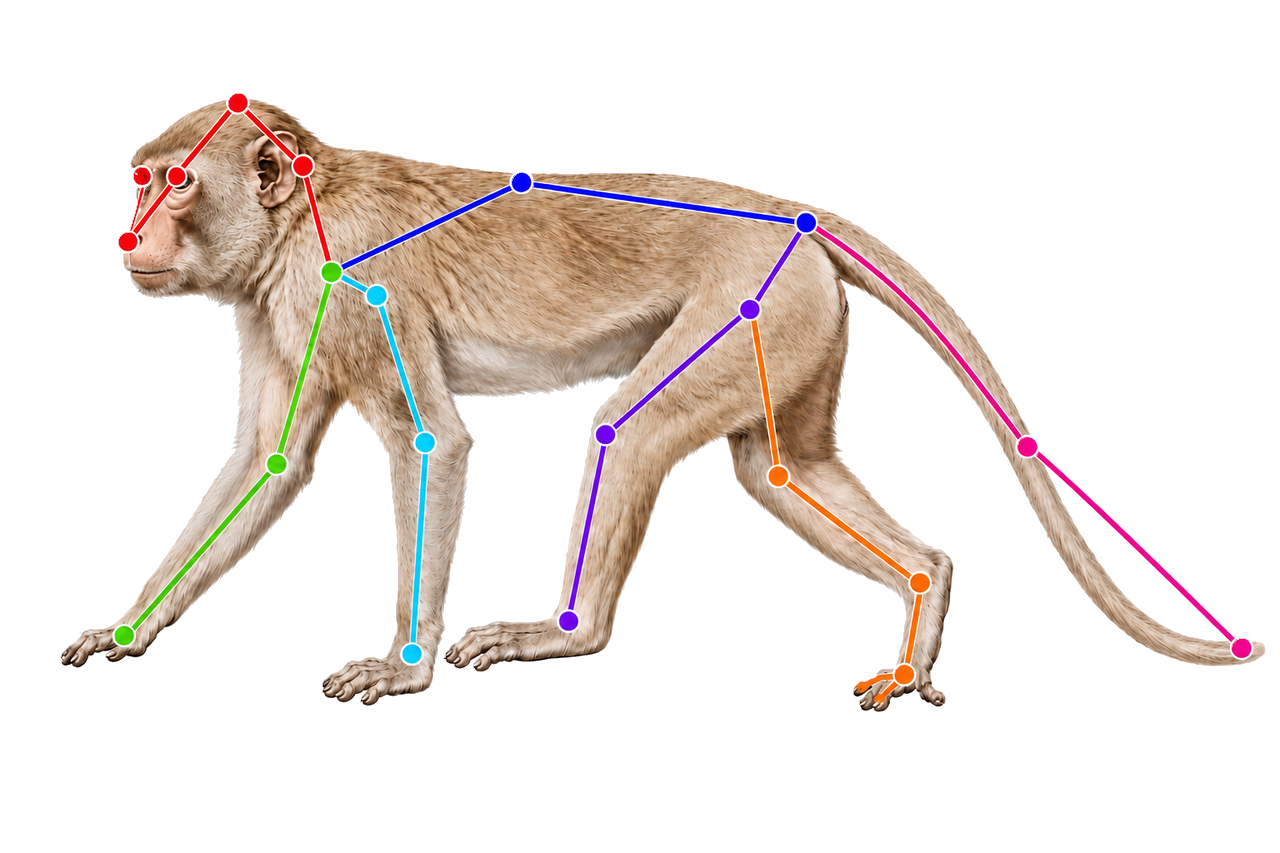
Multi-species solutions from rodents to primates for comprehensive behavior research.
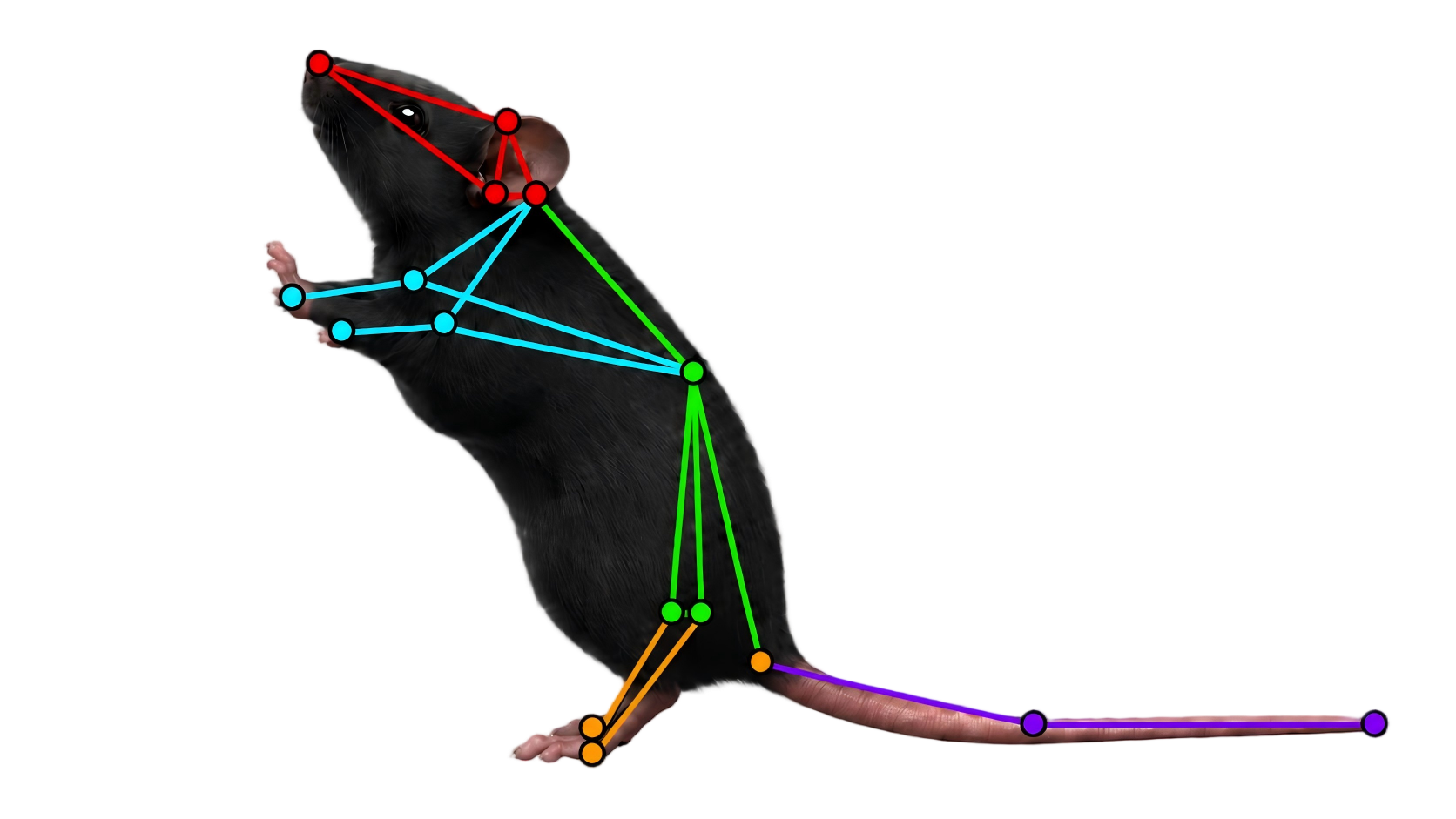
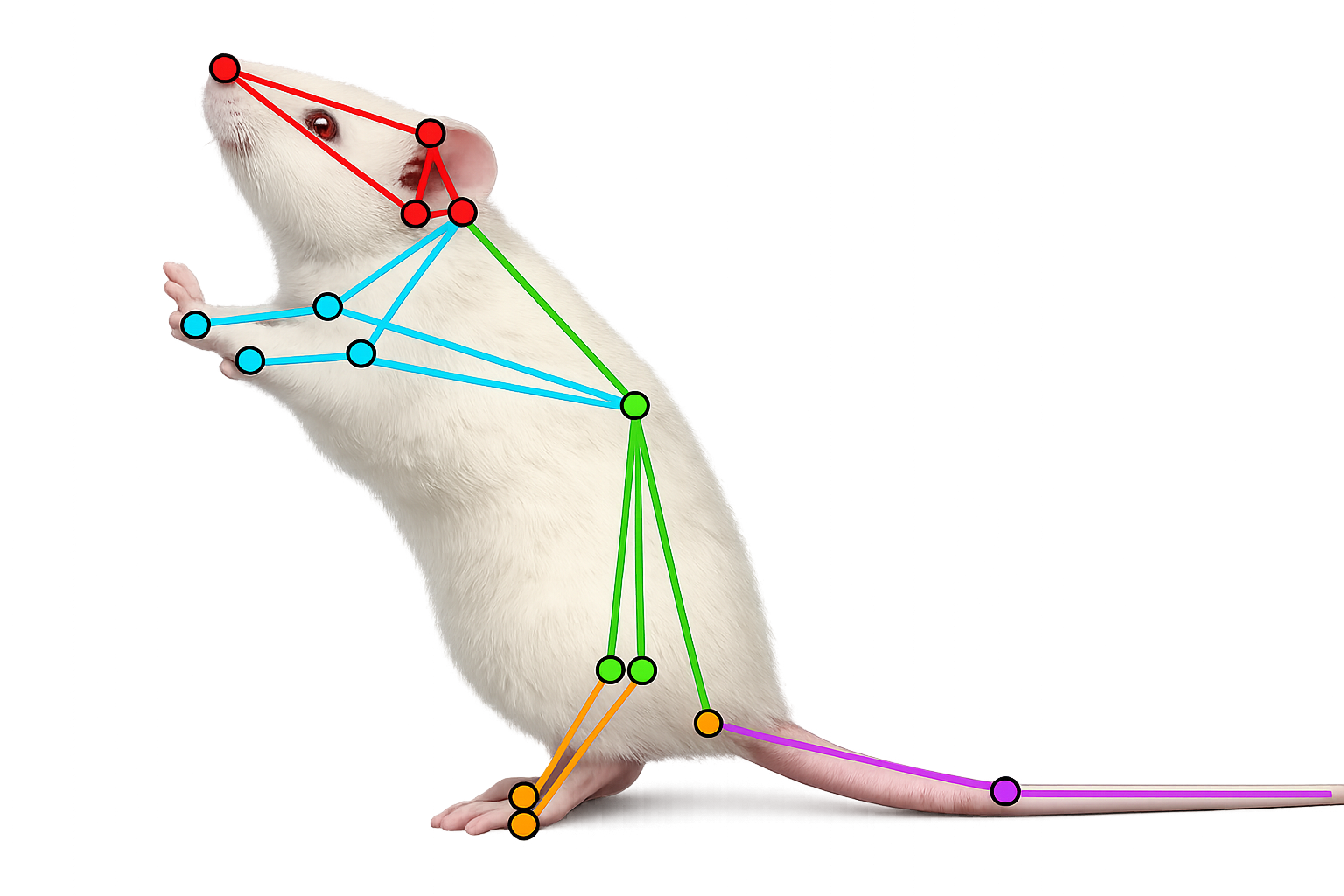
Fine behavior analysis for mice and rats — supporting disease models, drug screening, and mechanism studies.
3D Skeleton Reconstruction:4-camera sync capture with multi-view 3D reconstruction — mm-level accuracy with occlusion handling.
Advanced Deep Learning:Identifies 16 keypoints across body, limbs, head, and tail — deep learning trained on large-scale experimental data for stable pose estimation.
Rich Application Support:Supports disease model characterization, behavior modulation, and efficacy evaluation.
Explore full capabilities, workflows, and multi-species solutions in the 3D-AI Fine Behavior Software Suite
|  | 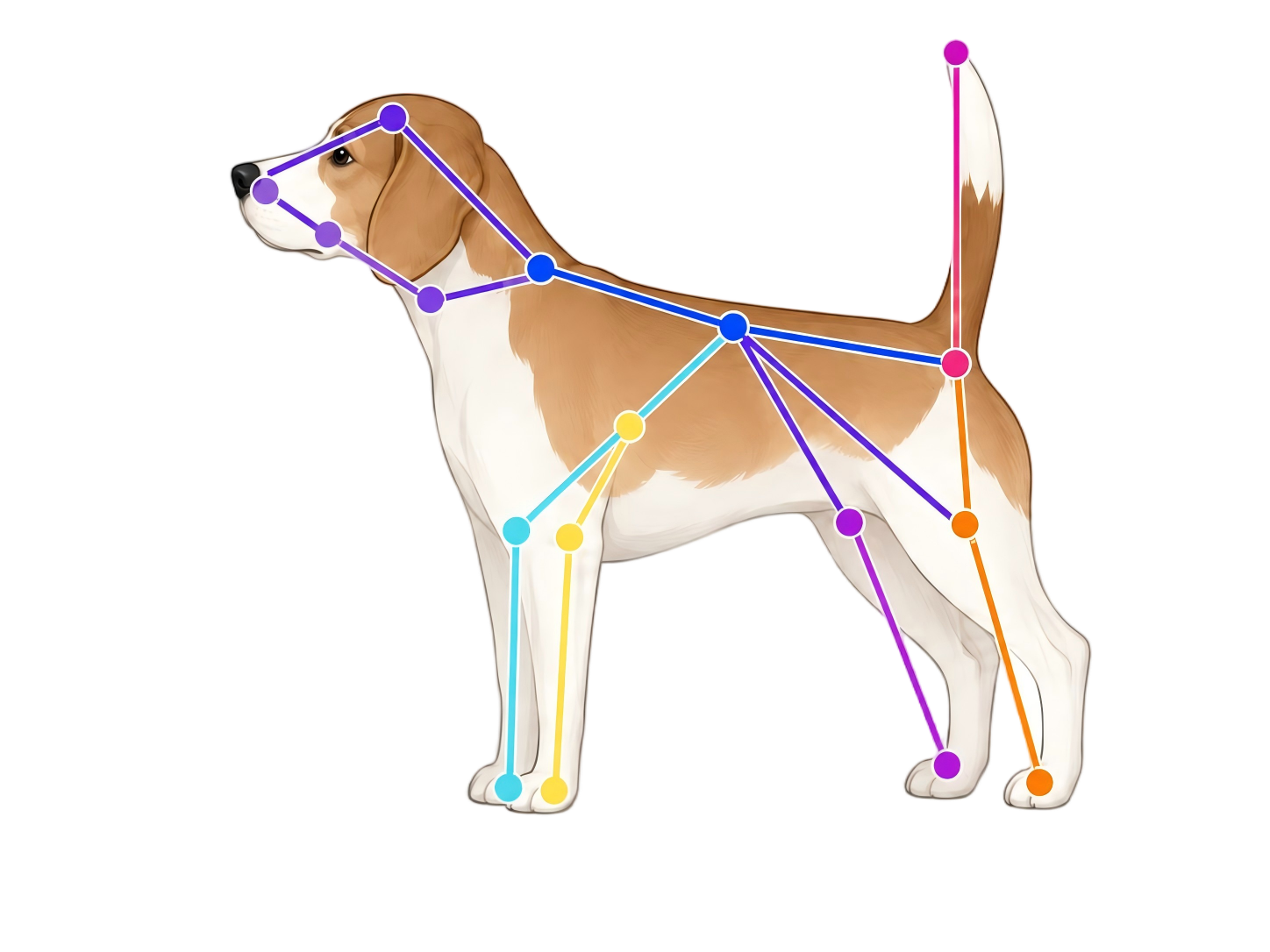 | 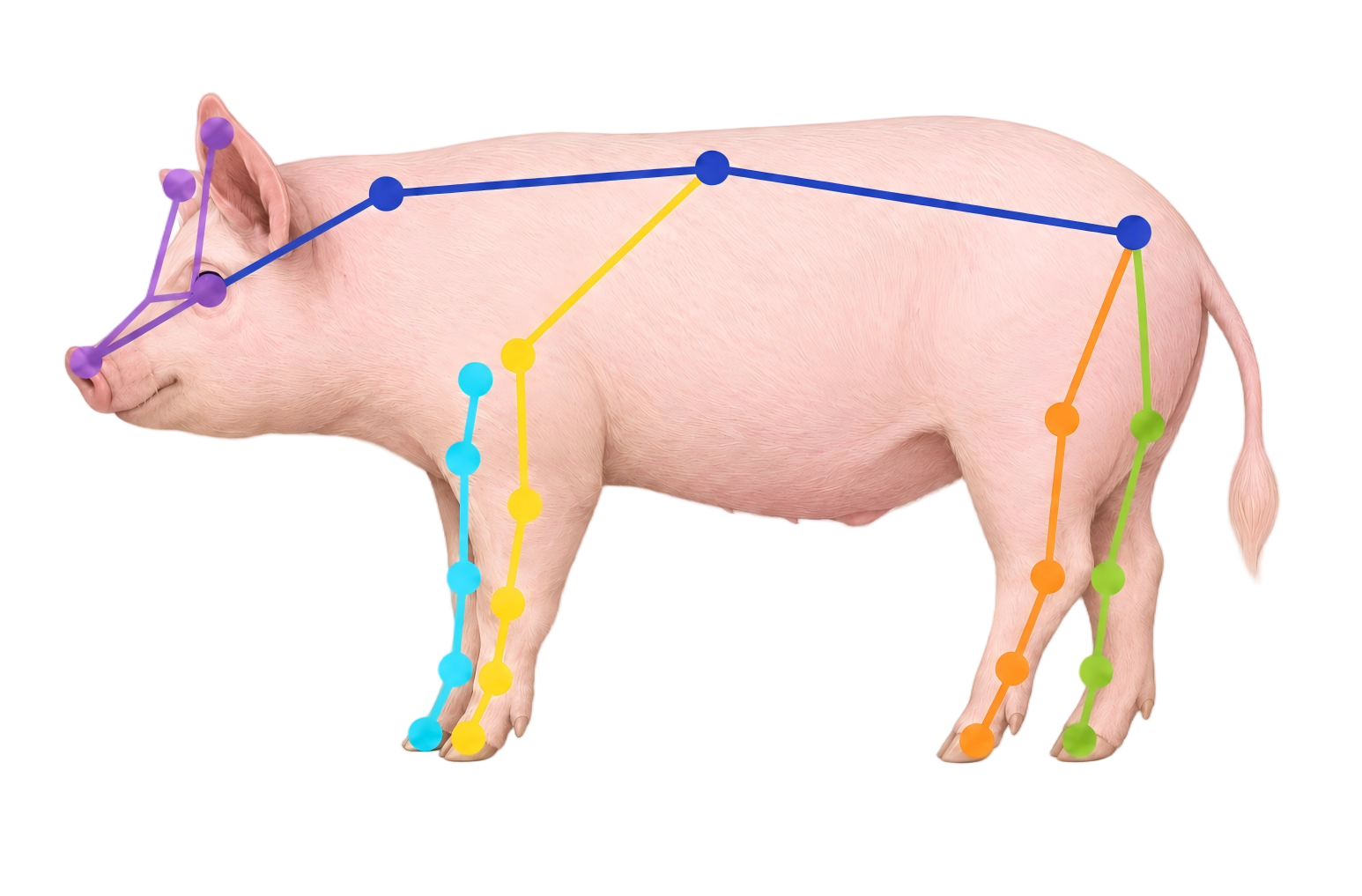 | 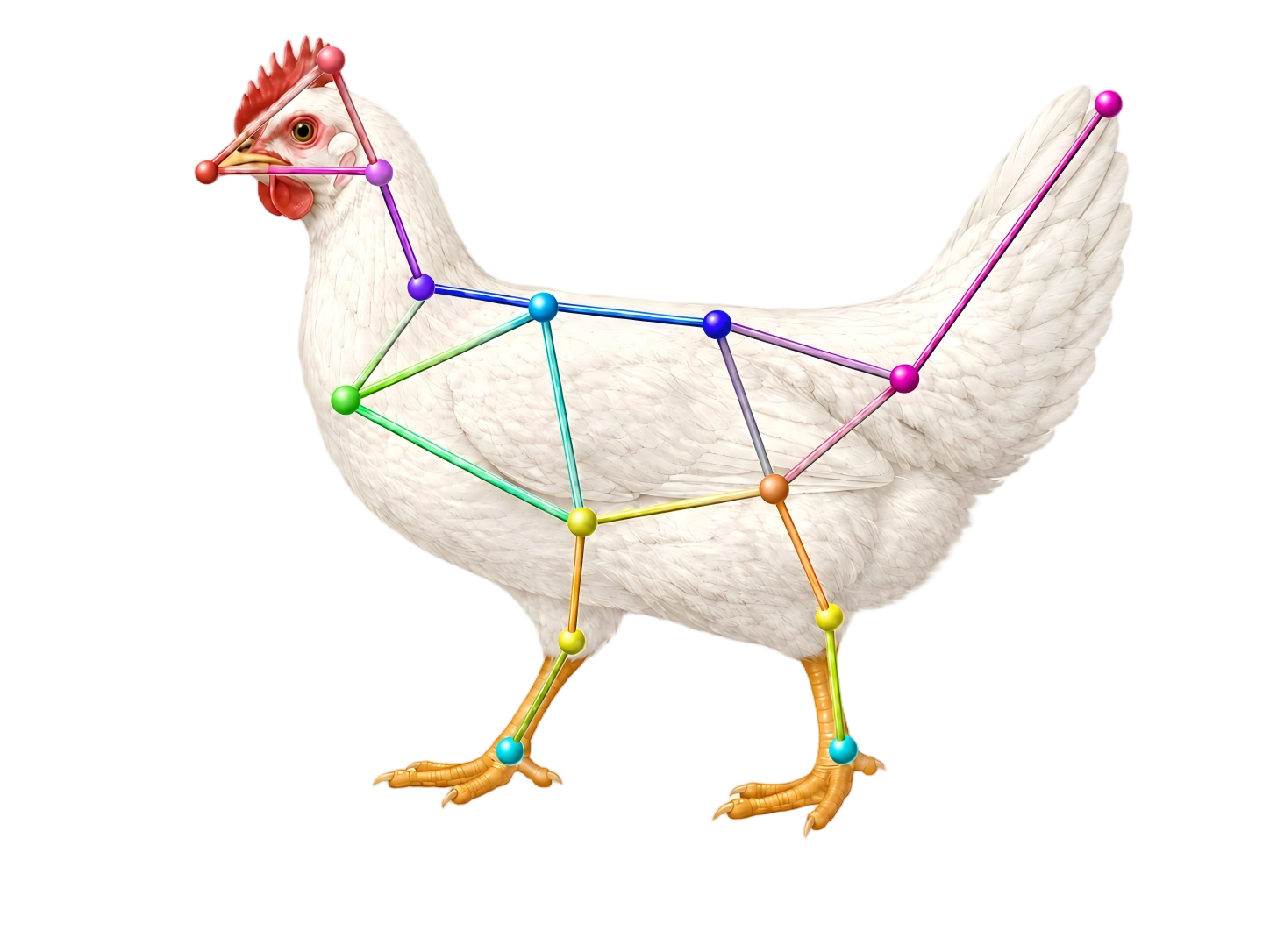 | 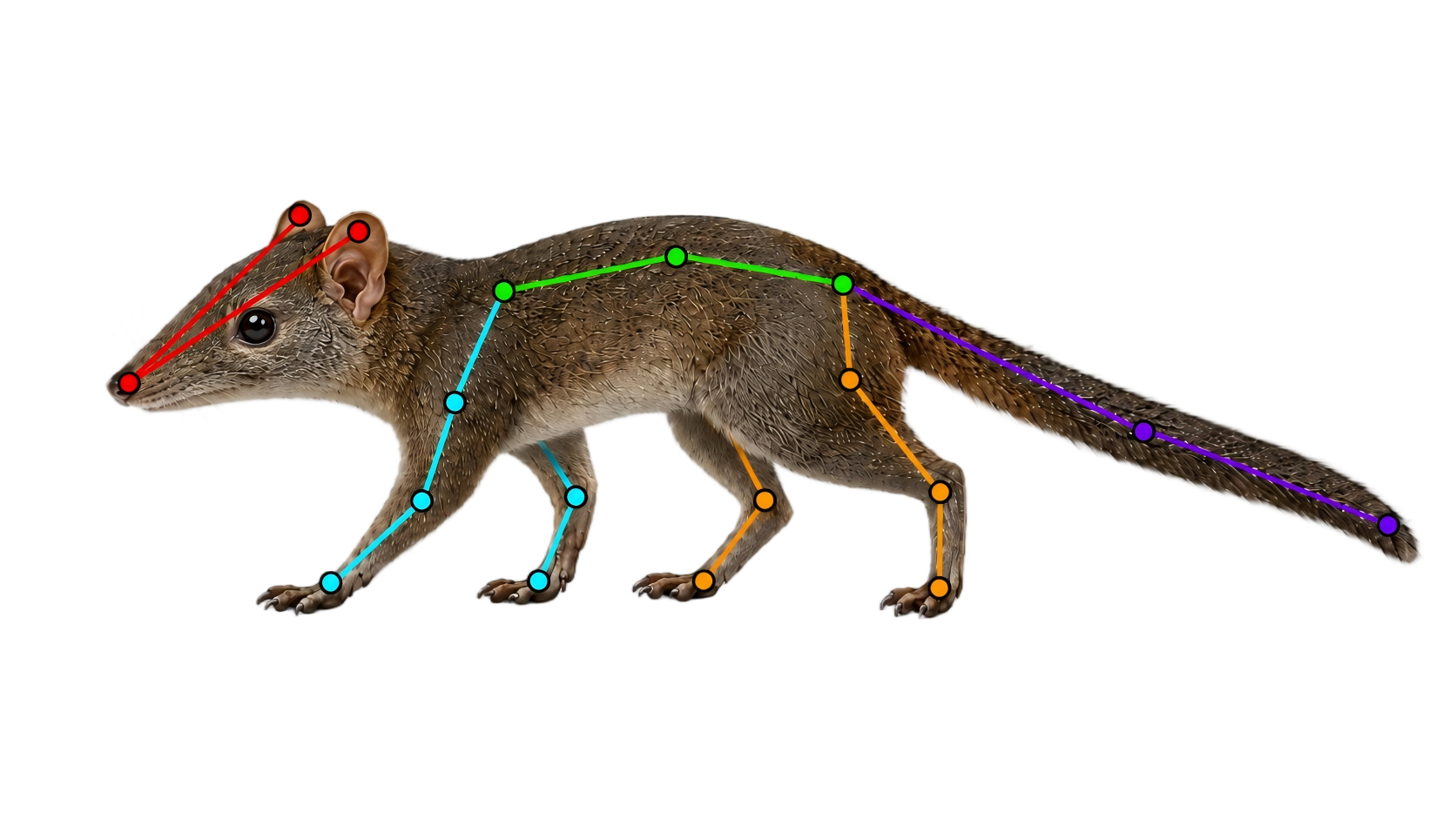 | |
|---|---|---|---|---|---|---|
| Model | BA - 3D Mouse 02aka DC02 | BA - 3D NHP 01 | BA - 3D Canine 01 | BA - 3D Pig 01 | BA - 3D Chicken 01 | BA - 3D Tree Shrew 01 |
| Cameras | 4 | 5 | 9 | 9 | 6 | 4 |
| Activity Space | 50×50×50 cm | 1.1×1.1×1.1 m | 5×5×2.9 m | 4×4×2.9 m | 1.5×1.5×2 m | 1×1×1 m |
| Commercial Status | Standard Product | Standard Product | Custom Solution | Custom Solution | Custom Solution | Custom Solution |
| Case Volume | High | High | Medium | Medium | Medium | Medium |
| Typical Applications | Disease ModelsDrug ScreeningMechanism Research | Disease CharacterizationBrain Circuit ResearchPreclinical Evaluation | Motor ControlNeural CircuitsNeural Injury Recovery | Neural InjurySurgical RecoveryAnimal Science | Livestock ScienceBionics ResearchAnimal Welfare | Neuropsychiatric ModelsNeural MechanismsAnimal Evolution |
Real-world application data and research outcomes of BehaviorAtlas 3D-AI across global scientific settings.
10 papers pending publication
Real-world research cases powered by BehaviorAtlas 3D-AI — spanning autism, anxiety, depression, Parkinson's, Alzheimer's, and acute stress models.
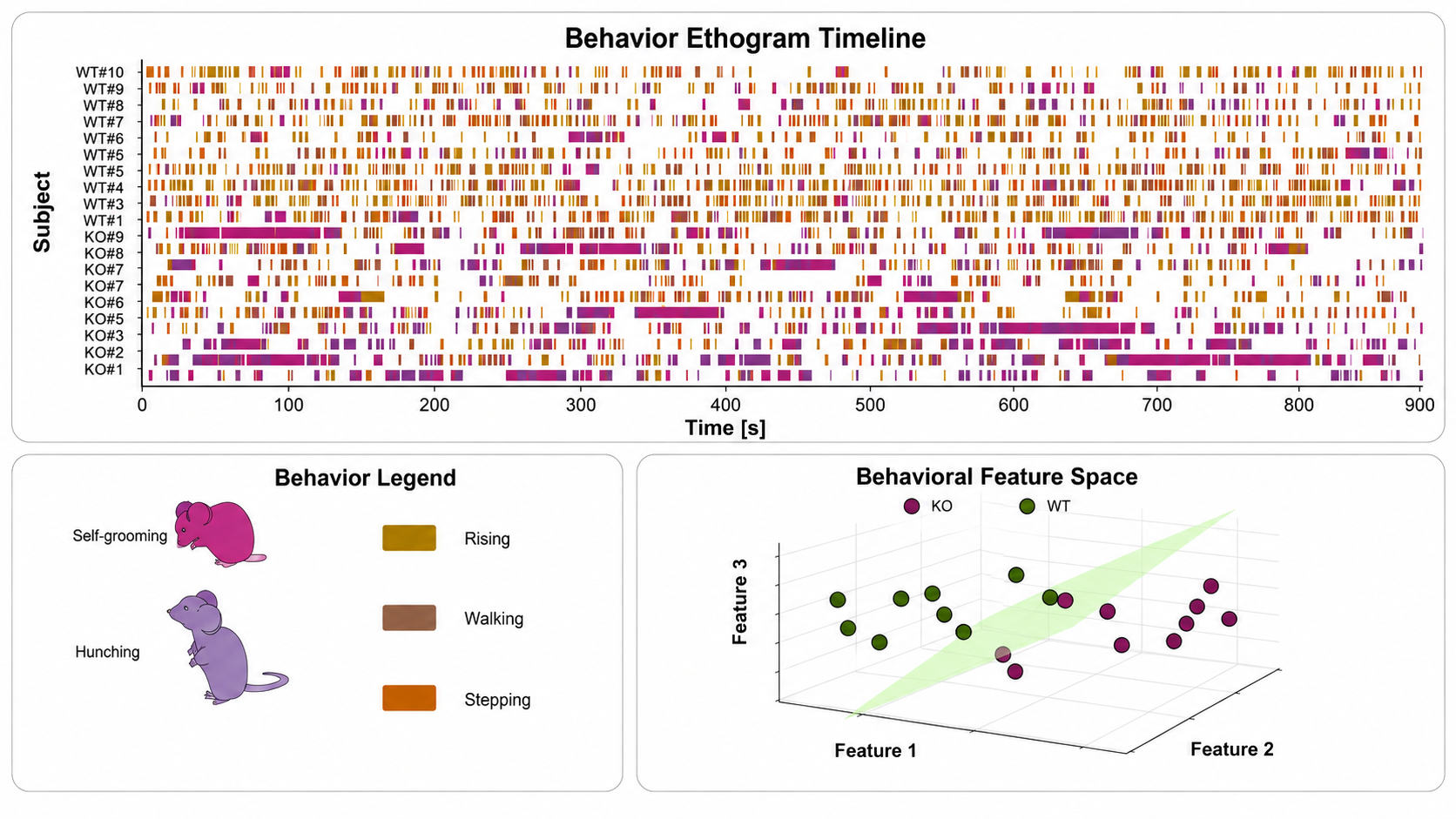
Autism model mouse behavioral marker identification
Fine postural dynamics analysis uncovered potential behavioral markers in autism model mice, offering a new quantitative lens for model assessment.
Huang, Kang et al. Nature Communications 2021
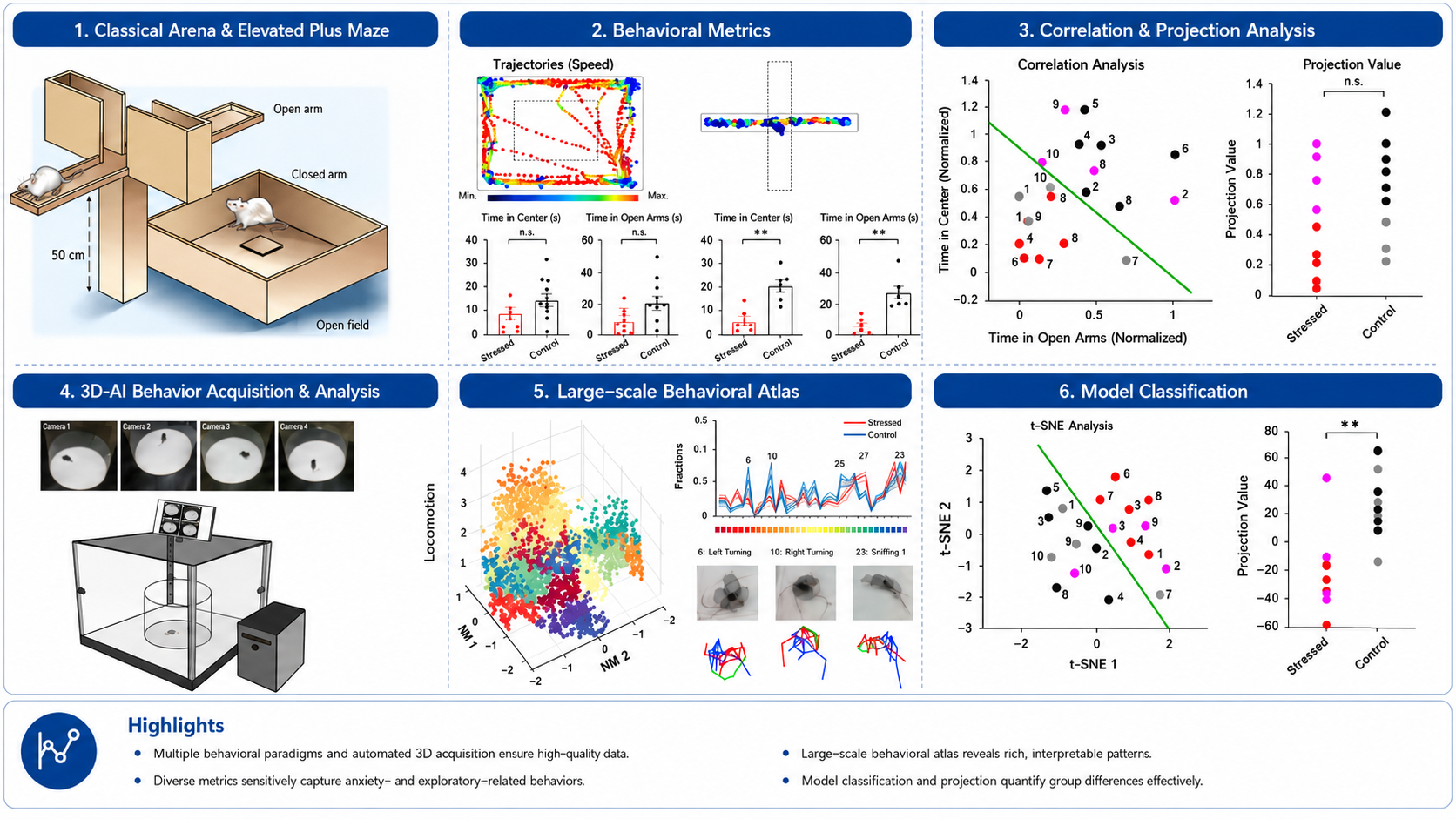
Reassessing anxiety-like behavior
3D behavioral analysis reassesses anxiety-like behavior, unbiasedly identifying novel biomarkers that complement classical paradigms; fine-grained profiling separates all 20 stressed from control mice where classic anxiety metrics fail.
Liu, Nan et al. BBRC 2021
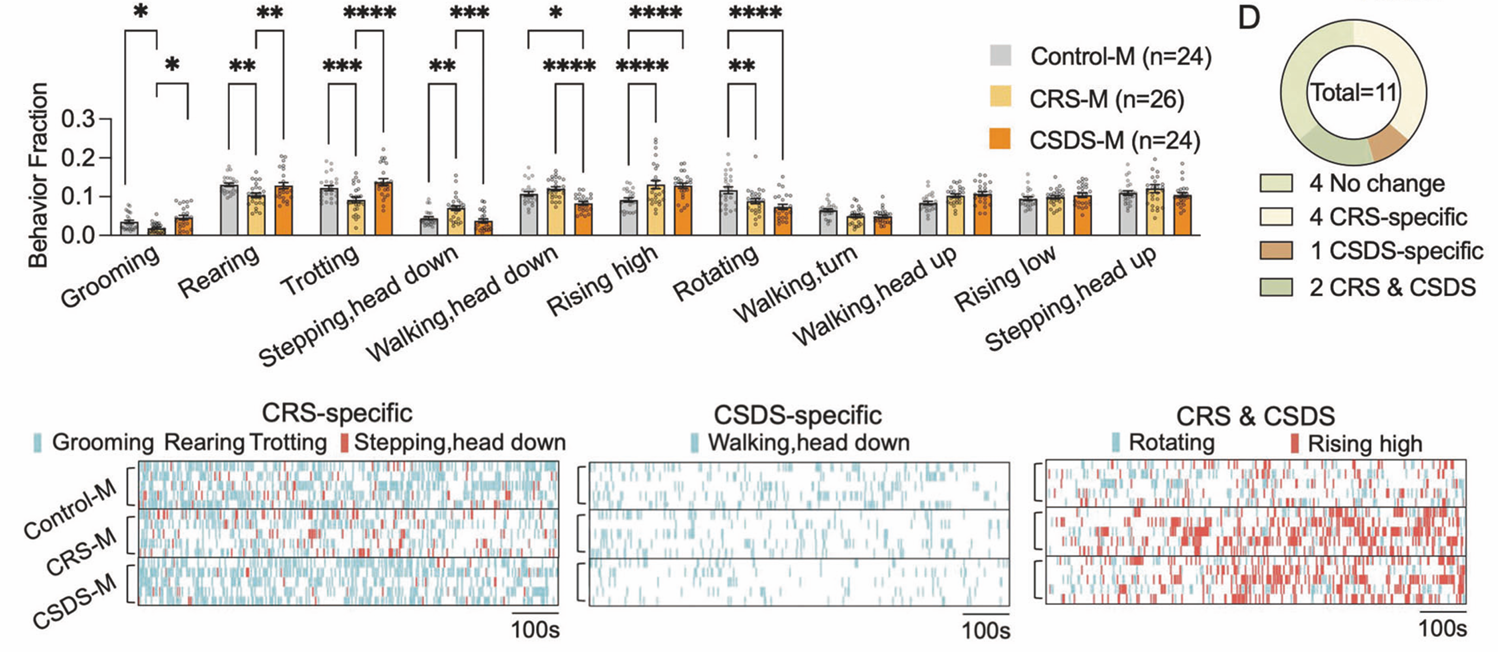
Systematic depression-like behavior assessment
Forced swim tests show depressive-like behavior across stress models; AI fine spontaneous profiling reveals shared and distinct changes — CRS and CSDS mice both show more rearing and less rotation.
Tseng, Yuting et al. Translational Psychiatry 2023
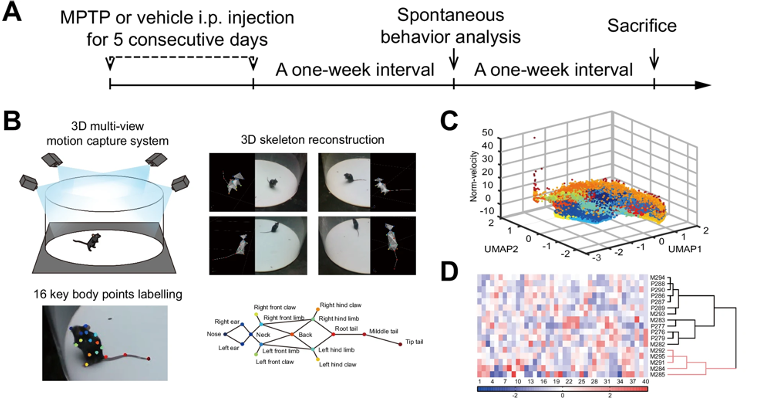
Parkinson's disease mouse behavioral profiling
Systematic PD mouse profiling with 3D multi-view capture and machine learning precisely captures spontaneous behavioral differences in MPTP models for sensitive model validation and therapeutic assessment.
Zhong, Hao et al. Translational Psychiatry 2025
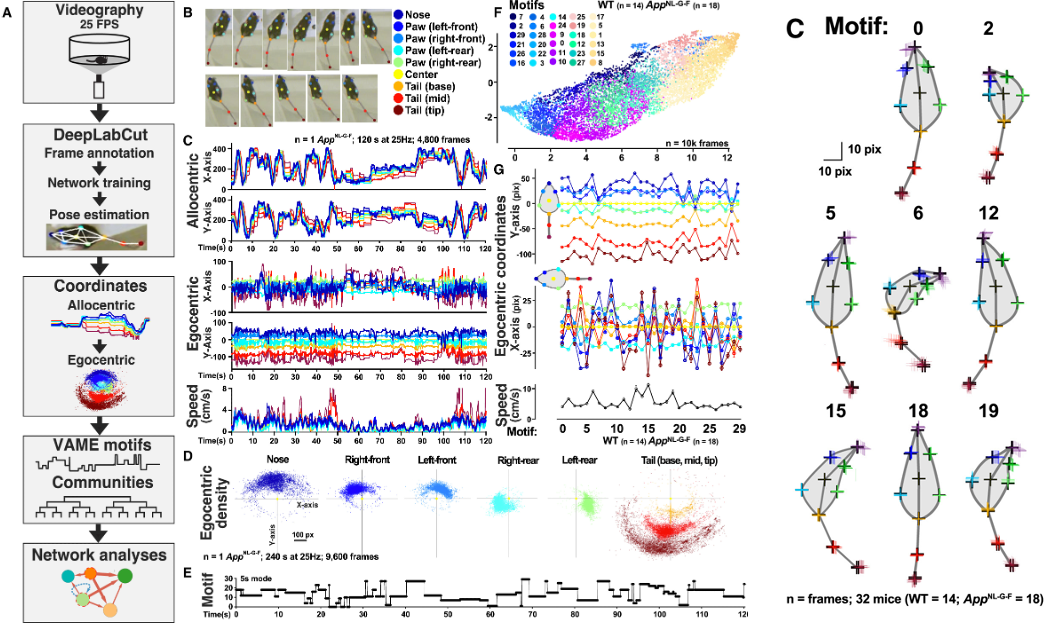
Alzheimer's disease mouse behavioral profiling
Open-field profiling of AD pathological models captures abnormal walking, fast exploration, and slow exploration — offering a new perspective for model establishment and drug efficacy evaluation.
Miller, Stephanie R et al. Cell Reports 2024

Acute stress mouse behavioral profiling
Systematic profiling of acute stress mice reveals unique spontaneous behavior patterns and action subtypes distinct from controls.
Ye, Jialin et al. Cell Reports 2025
Selected publications powered by our 3D-AI system — supporting teams in publishing 50+ high-impact papers in Nature Aging, STTT, and other top journals.
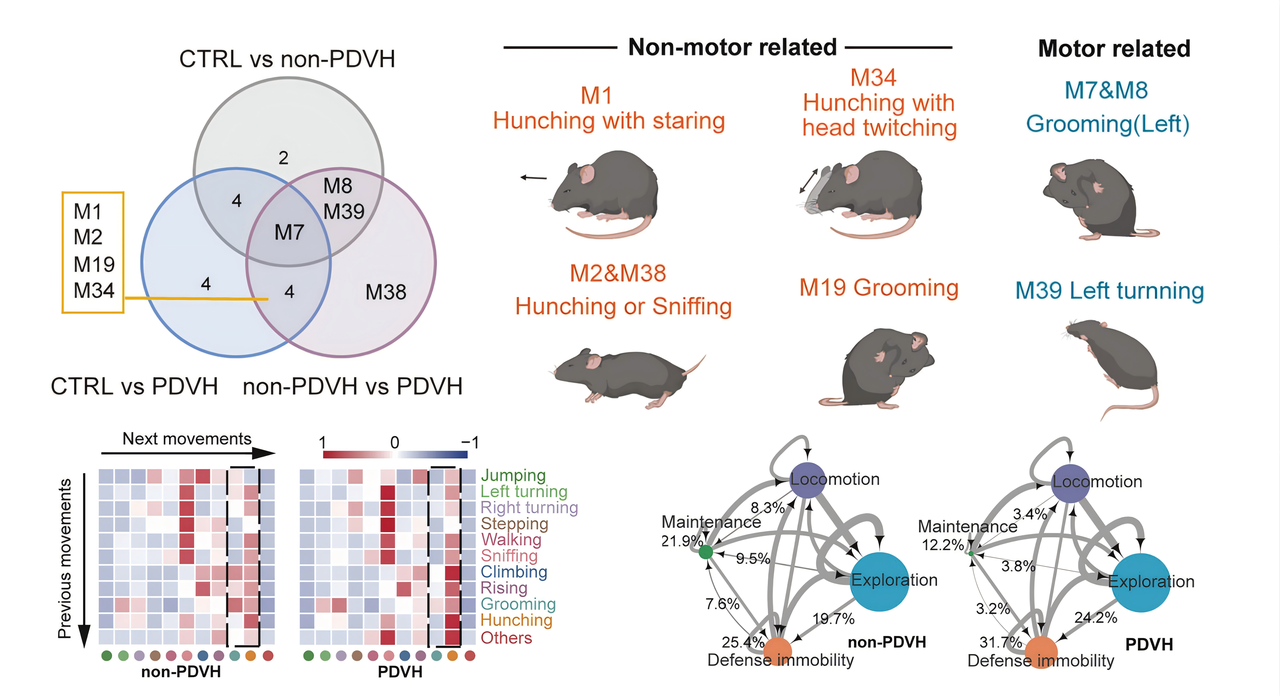
Nanjing Medical University's Feng Han team used BayONE products to identify key biomarkers, transforming complex hallucination symptoms into quantifiable animal behavioral phenotypes, published in Signal Transduction and Targeted Therapy.
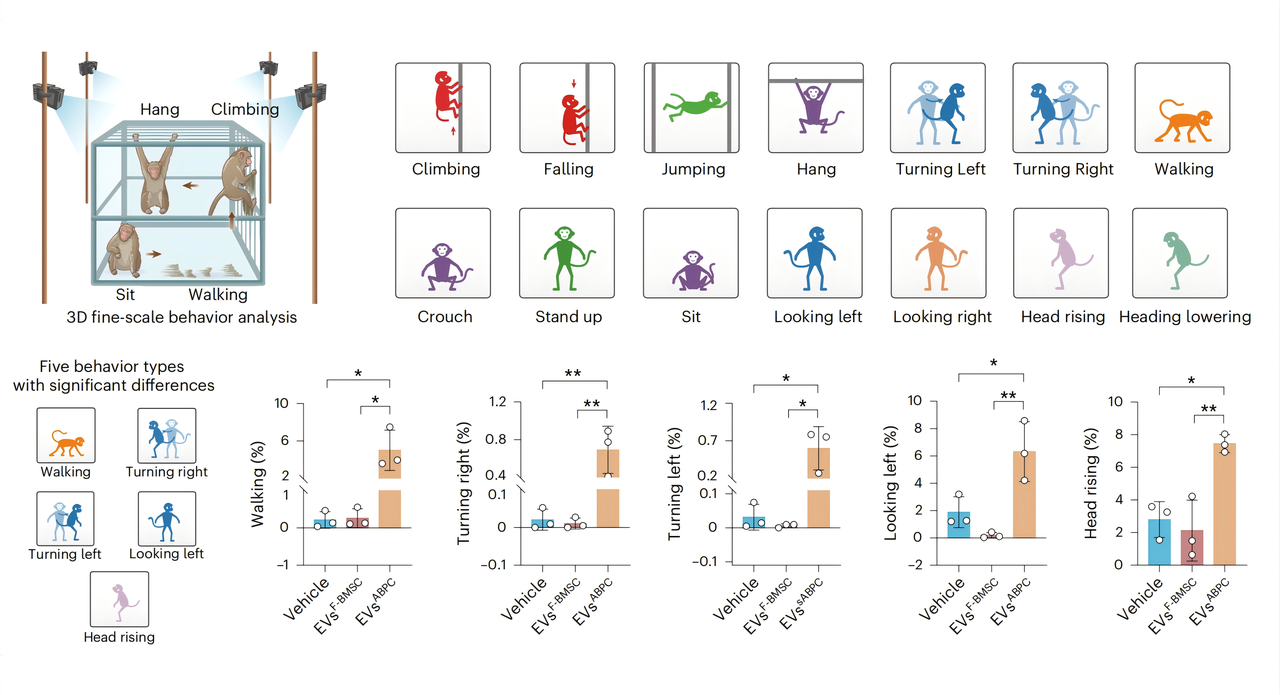
Jinghui Huang's team at Air Force Medical University evaluated antler blastema progenitor cells in mice and macaques, using the 3D fine behavior analysis system to precisely quantify dynamic changes in motor function during aging intervention.
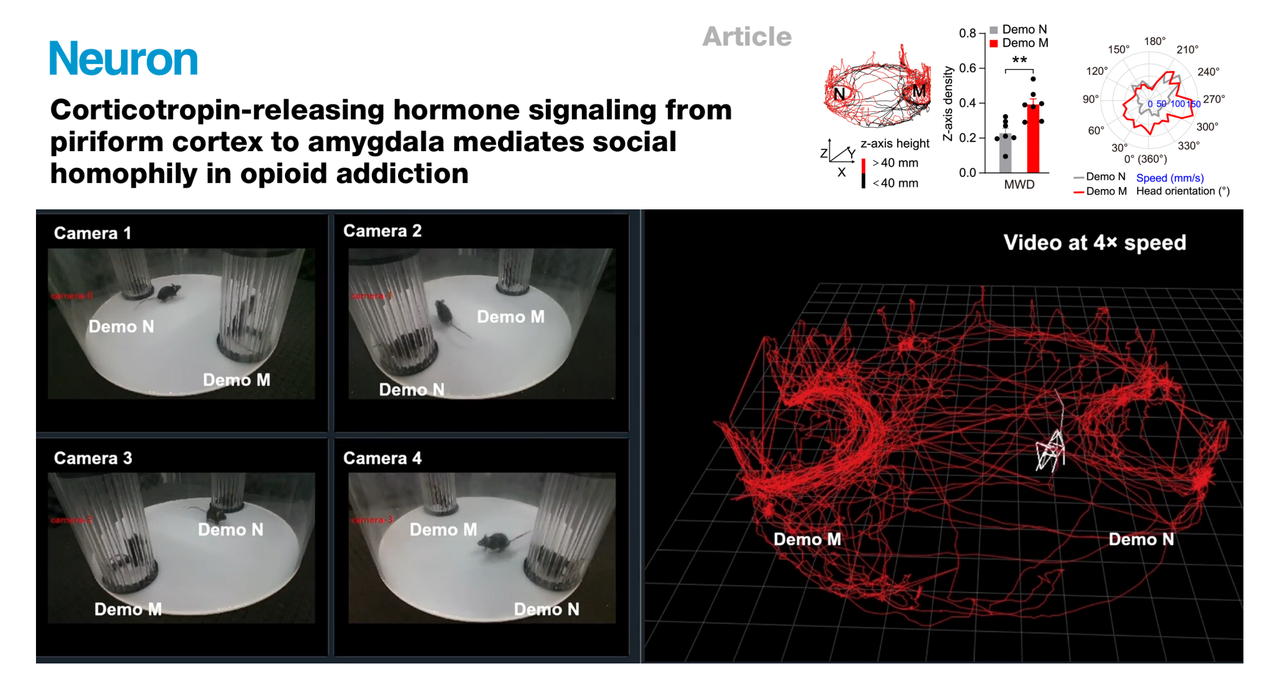
Sun Linlin's team at Peking University Health Science Center published in Neuron, revealing social homophily in opioid-addicted animals and the underlying neural mechanisms.
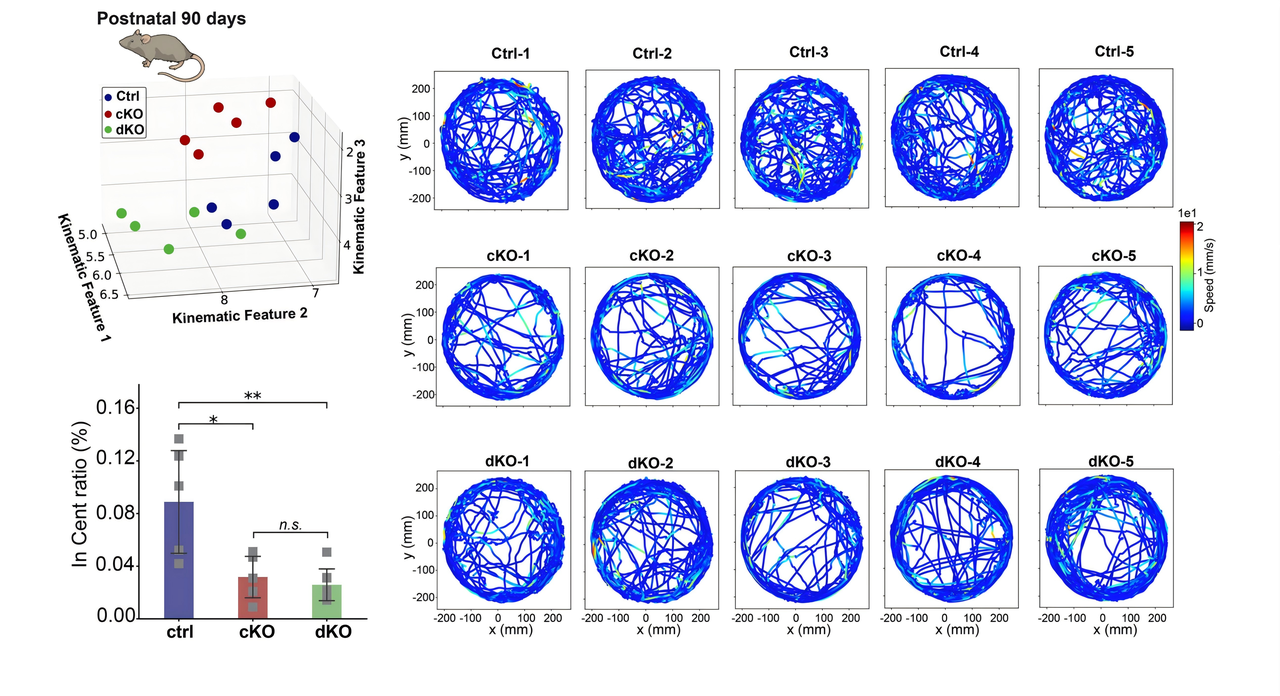
Shi Lei's team at Kunming Institute of Zoology linked DNA replication fork speed to neurobehavior, showing that embryonic replication dysregulation profoundly affects adult brain function and anxiety-like behavior.
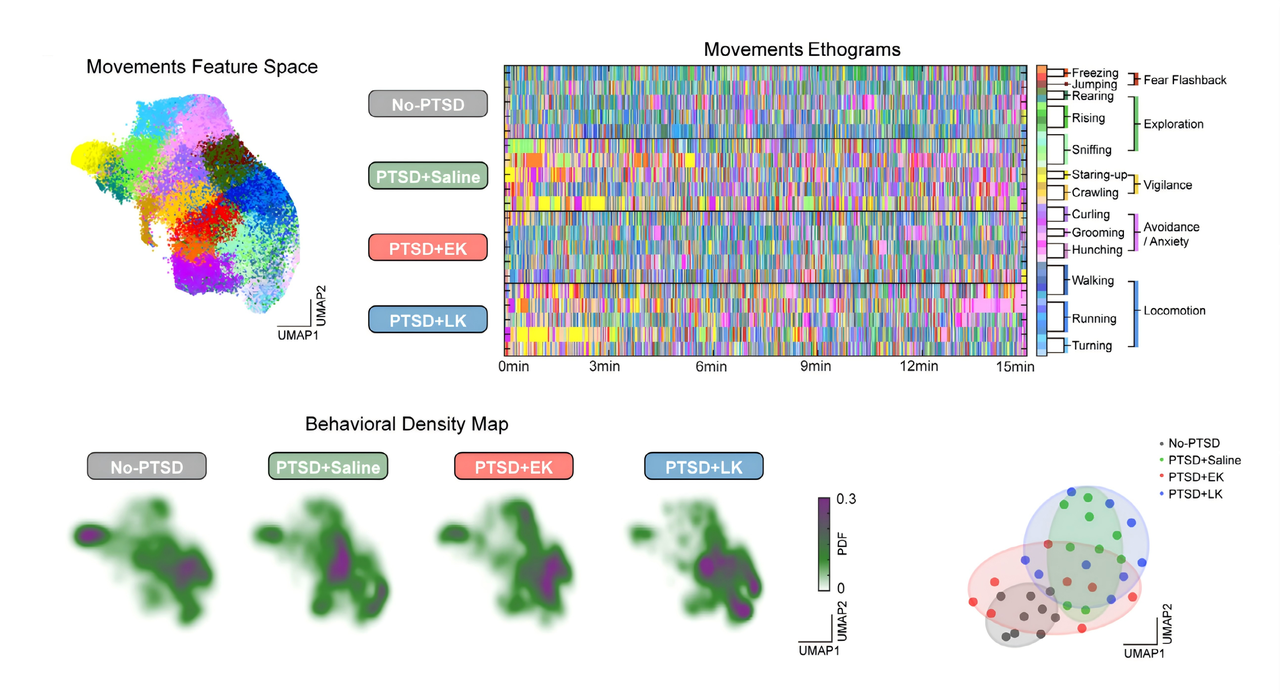
Zhao Guangchao's team at Xijing Hospital used AI-assisted fine behavior analysis to quantify PTSD core symptoms and revealed the time-dependent therapeutic effects of S-ketamine.
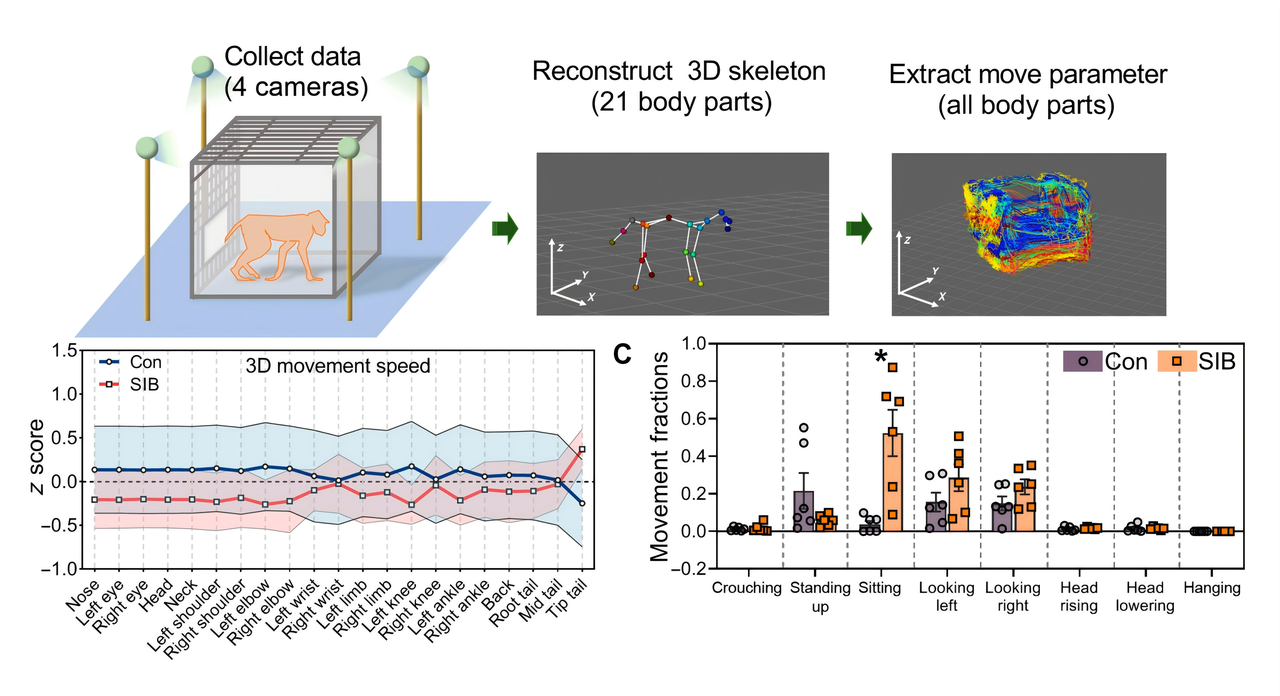
Jianhong Wang's team at Kunming Institute of Zoology found that spontaneously self-injurious macaques show low activity, social deficits, circadian rhythm abnormalities, and aberrant emotional-defensive responses through fine behavioral profiling.
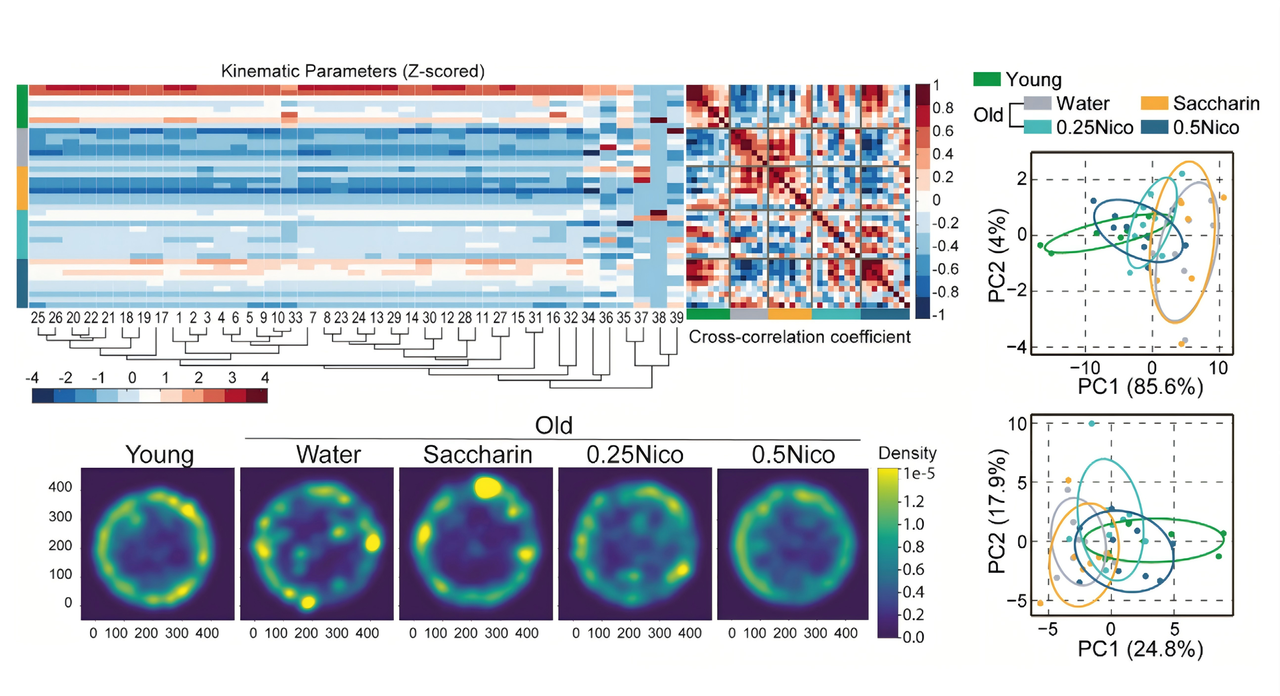
Xin'an Liu's team at SIAT Brain Institute used fine behavior analysis across a lifelong oral nicotine paradigm, showing that lifelong nicotine intervention alleviates motor decline and yields a biologically younger behavioral phenotype in mice.
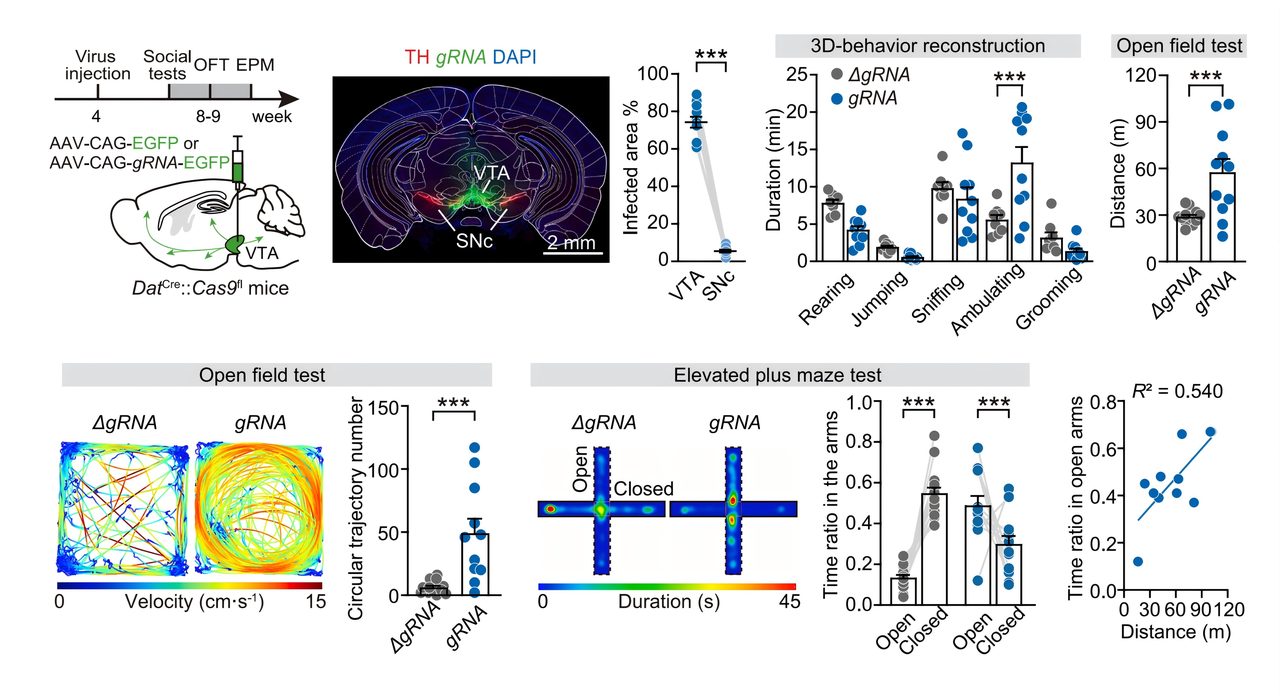
Shu Yousheng's team at Fudan University used BayONE products to show that Scn2a loss in VTA dopamine neurons causes hyperactivity, repetitive stereotypy, and loss of social novelty preference — hallmark autism-like phenotypes.
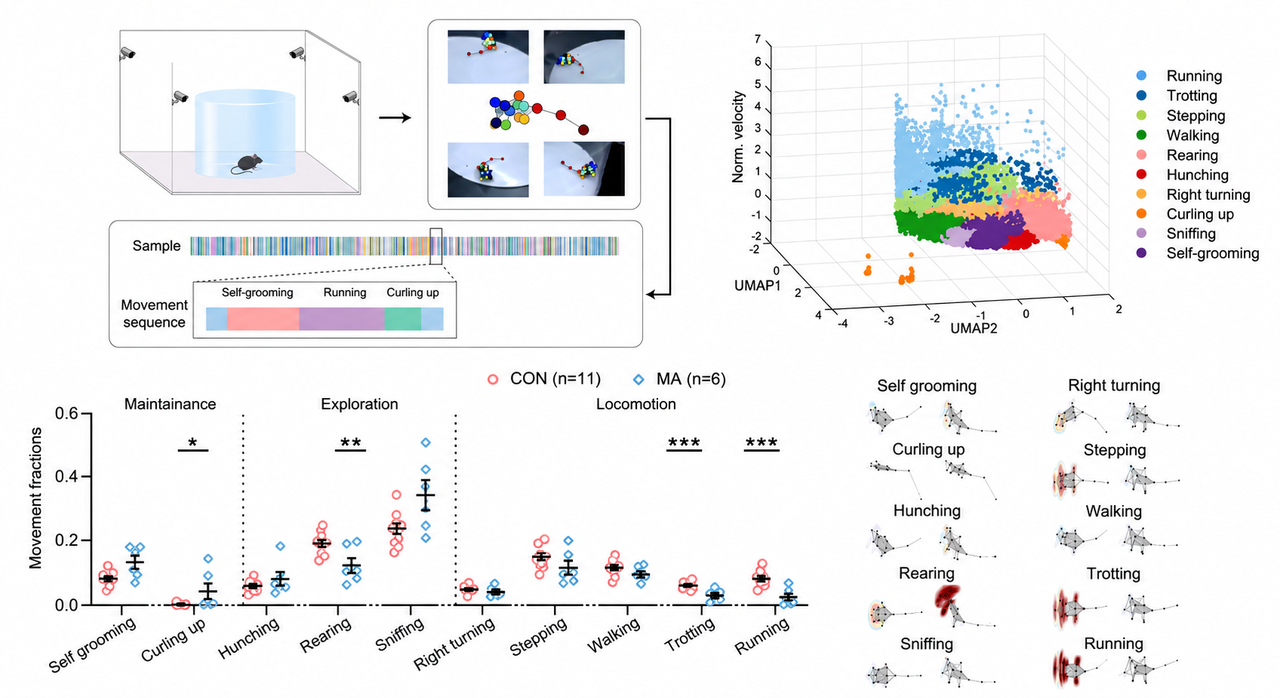
Jing Huang's team at Air Force Medical University used longitudinal 3D behavior profiling to map craniofacial structural deficits to neurobehavioral dysfunction, showing mandibular asymmetry drives progressive hyperalgesia and anxiety-like behavior in mice.
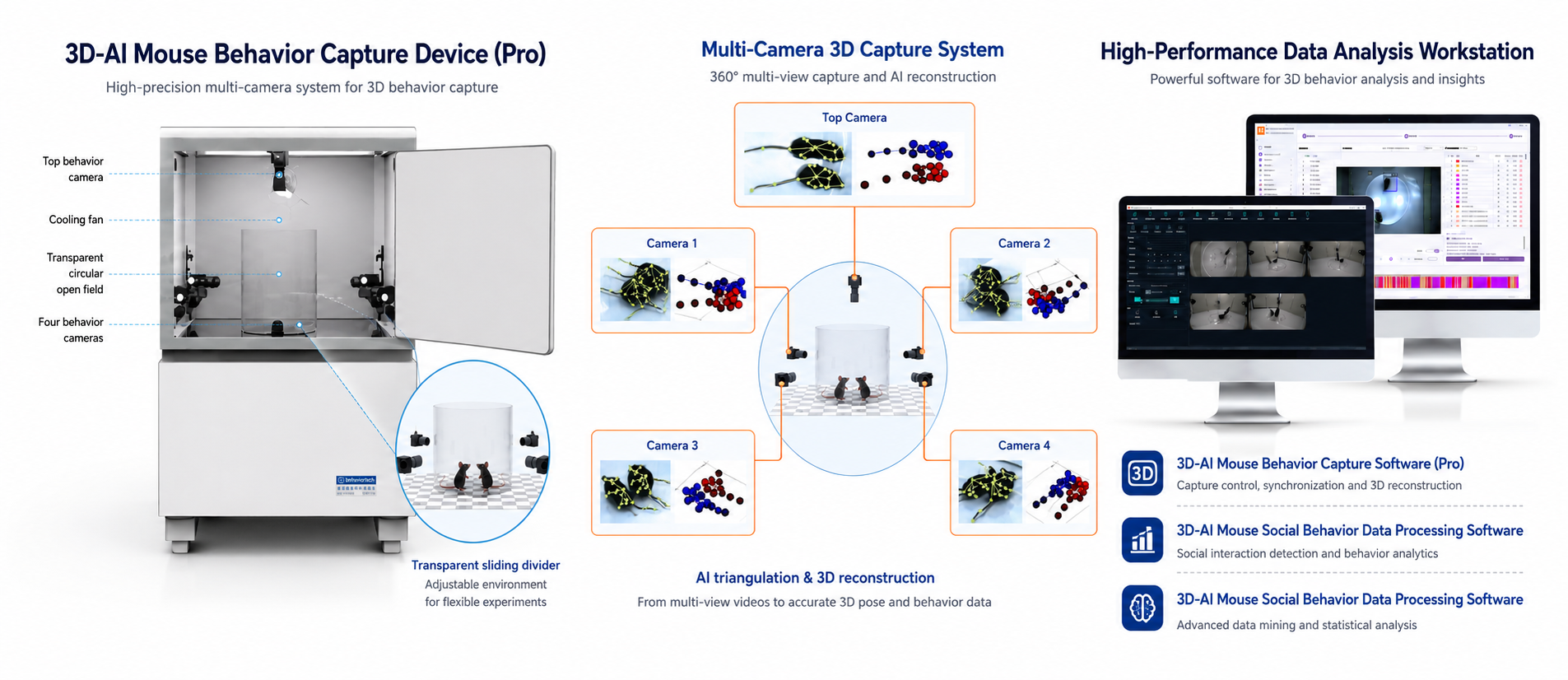
3D-AI Mouse Social Behavior Analysis System
Dyadic mouse social interaction research
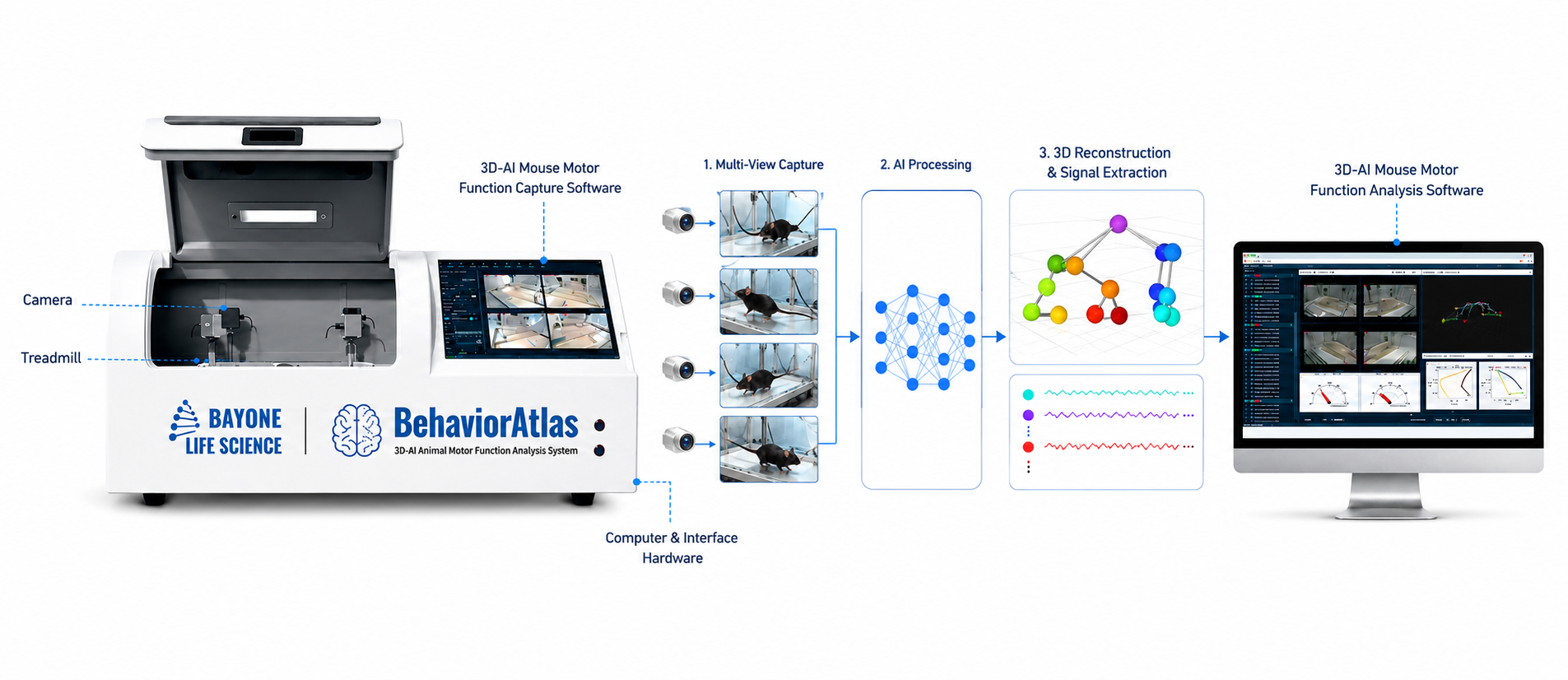
3D-AI Fine Motor Function Analysis System
Fine motor function assessment
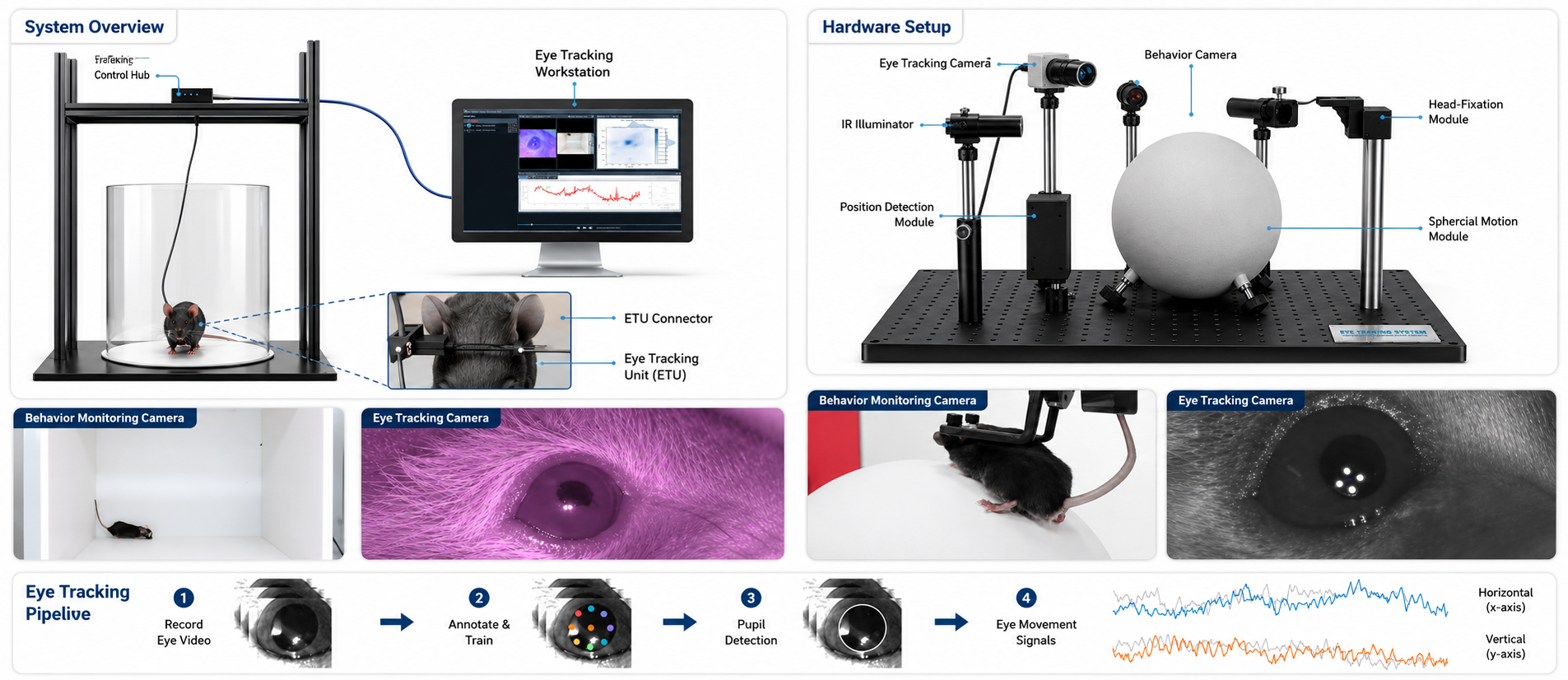
Mouse Eye-tracking System
Freely-moving and head-fixed eye-tracking research
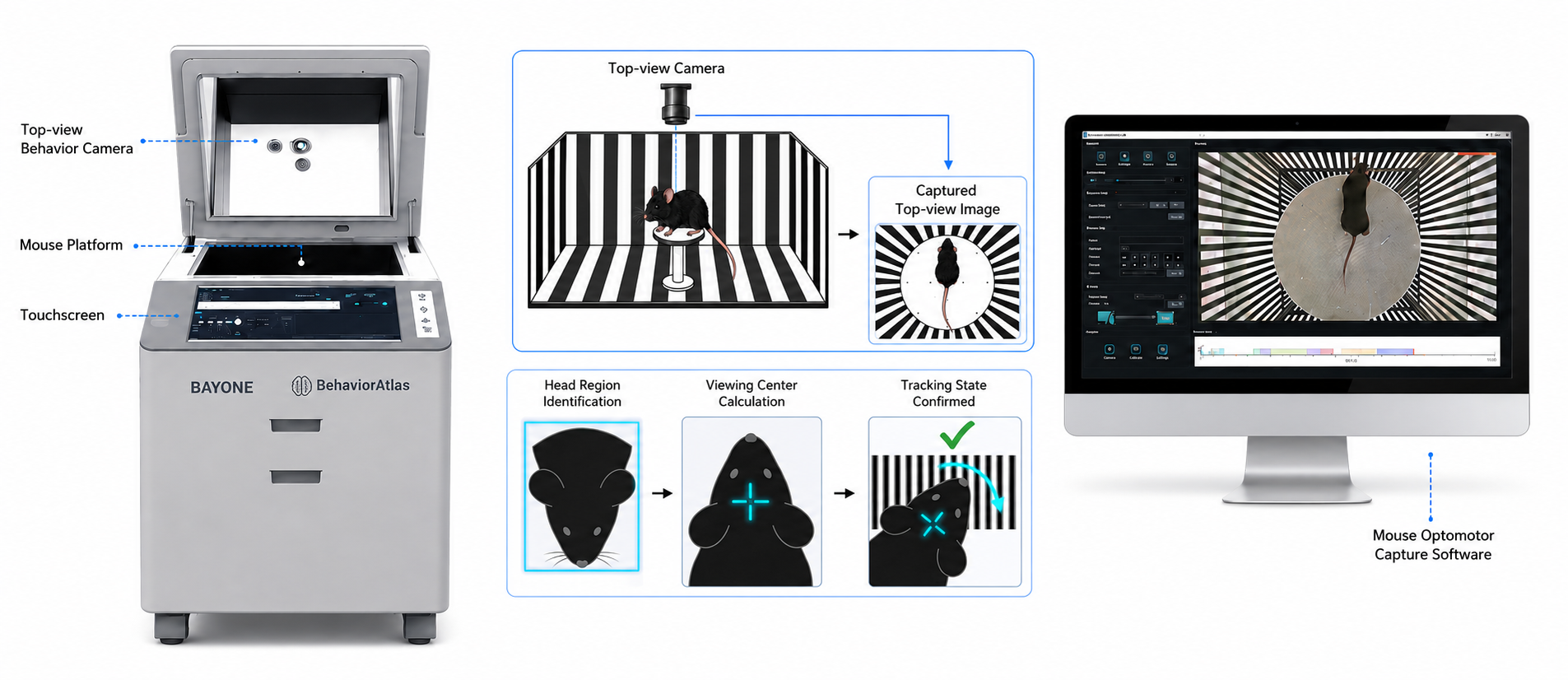
Small Animal Visual Stimulation Analysis System
Visual stimulation and behavioral response
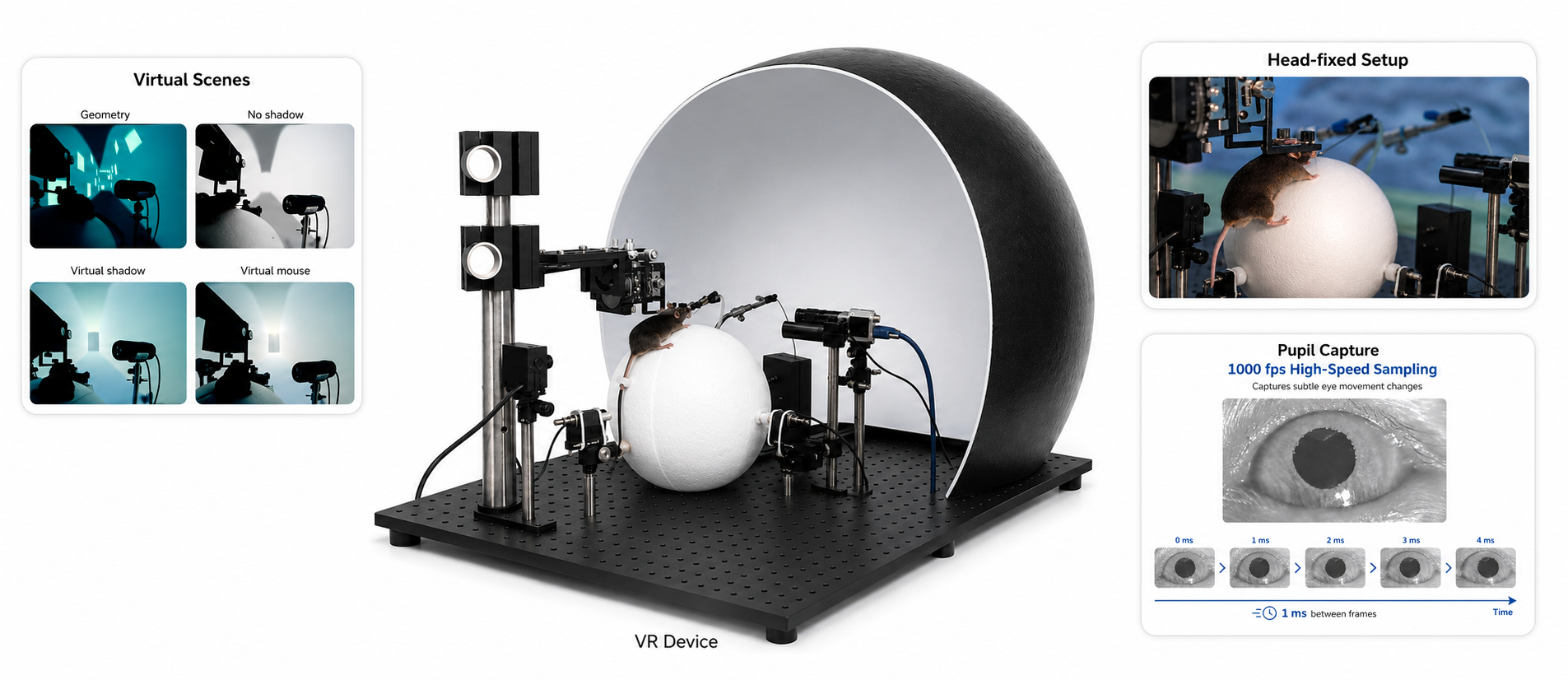
Small Animal Virtual Reality System
VR environment behavioral research
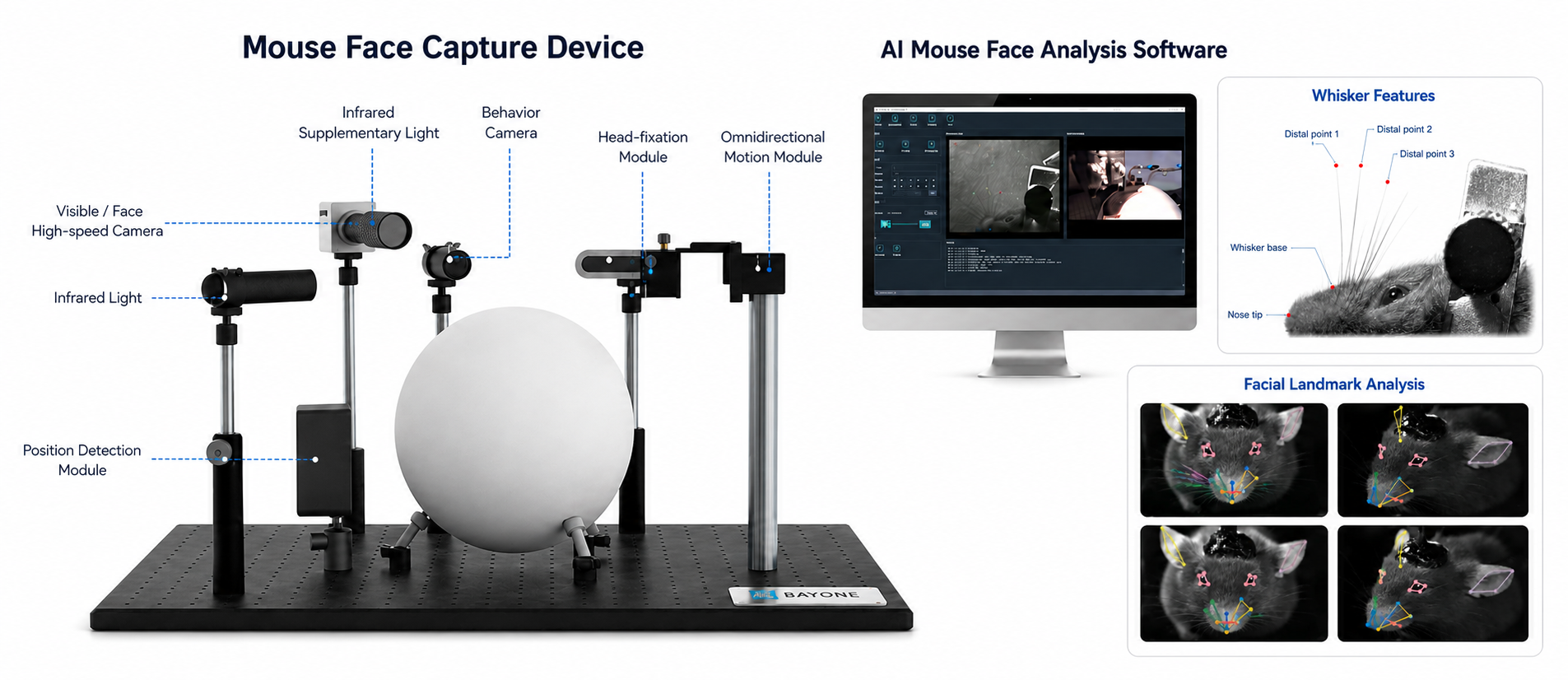
Mouse Pain & Emotion Analysis System
Pain and emotion behavior quantification